Short on time? Choose one or two social platforms where your buyers already spend professional time, decide what each one is for, share useful material that answers real questions, use employees and customers as voices and measure by qualified conversations. Show up consistently for months before judging results.
Business buyers do not scroll social platforms in the same mood as consumers, but they do use them. They check a supplier’s profile before replying to an email, follow experts in their field, watch a product demo on video and ask peers for recommendations in communities. A well-run social presence shortens trust-building. A neglected one quietly raises doubts.
This guide explains what tends to work on different kinds of platforms for business-to-business companies, how to plan content and how to measure results. Platform features and algorithms change often, so the advice focuses on durable principles. It suits a small consultancy posting weekly and a global enterprise with regional teams.
Key takeaways
- Pick platforms by where your buyers and influencers spend time.
- Give each channel a clear purpose, such as credibility, education, community or recruitment.
- Useful, specific content beats promotional posts. Show expertise with examples and data you can stand behind.
- People engage with people. Founders, experts and customers often outperform brand accounts.
- Measure influence on pipeline and conversations, and review monthly.
Where B2B buyers spend time
Platform types, and what they do well:
Professional networks
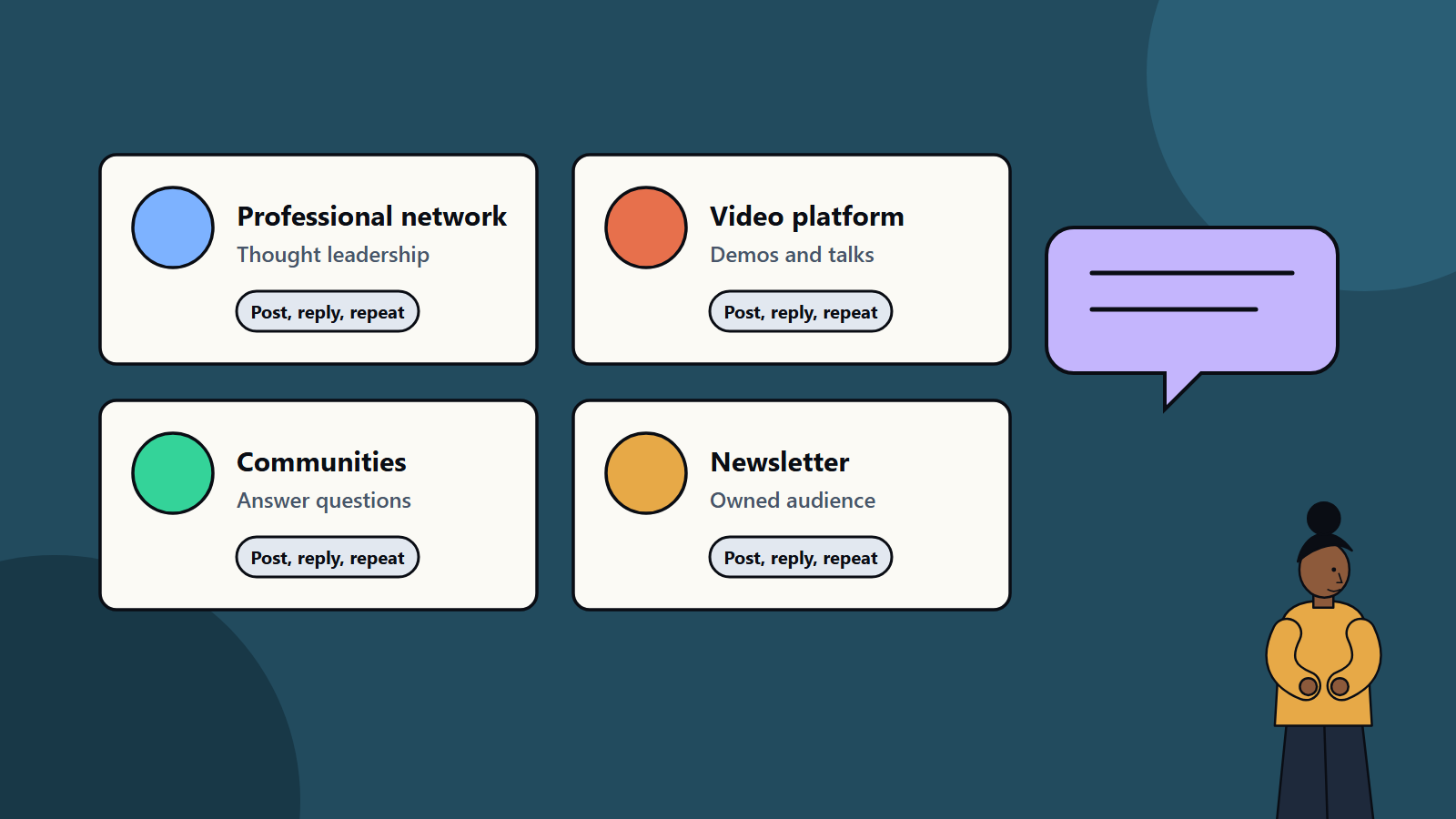
Used for industry news, career updates, thought leadership and company pages. Good for credibility, employer brand, event promotion, short insights, polls, document posts and newsletters. Executives and subject experts posting from personal profiles often reach further than company pages. Paid options allow targeting by job title, industry and company, which suits account-based campaigns.
Video platforms
Strong for product demos, how-to guides, customer stories, webinars and talks. Videos also appear in search results and last a long time. Quality matters, though polished studio production is less important than clear audio and useful content.
Short-form video and visual platforms
Reach younger professionals and can humanise a brand. They suit behind-the-scenes content, quick tips and recruitment, though sales impact is harder to track for complex products.
Community platforms and forums
Developer communities, industry forums, chat groups and question-and-answer sites. Buyers and practitioners ask for recommendations and troubleshoot problems there. Value comes from answering questions honestly, sharing expertise and following community rules. Heavy promotion is punished.
Microblogging and discussion platforms
Useful for real-time commentary, event coverage, customer support and connecting with journalists, analysts and peers. Fast-moving, and best for brands that can respond quickly.
Newsletters and owned channels
Email newsletters and your own community spaces give direct access that does not depend on platform algorithms. Social posts can funnel readers to them.
Messaging groups
Private groups in messaging apps are common in some regions, for customer communities, partner networks and event follow-up. Handle them with care for consent and privacy.
Local platforms matter in some countries, and buyer habits vary by region and industry. Research where your target accounts are active before assuming.
Decide what each channel is for
Write one line per platform. For example:
- Professional network: build credibility with senior buyers through weekly insights from our experts.
- Video platform: answer evaluation questions with demos and explainers.
- Community forum: help practitioners, which builds trust and reveals real problems.
- Newsletter: keep a monthly conversation with prospects and customers.
Concentrate effort on one or two channels at first. A weak presence on six platforms helps nobody.
Content that works
Be useful
- Answer real questions. Use sales calls, support tickets and search data to find them.
- Share original insight: experience from projects, lessons learned, benchmarks from your own data, clear opinions backed by evidence.
- Explain complicated topics simply. Diagrams, checklists and short walkthroughs travel well.
- Show the work: behind-the-scenes looks at how your team solves problems.
- Use customer stories, with permission, focused on the problem, approach and result.
- Cover events: talks, panels and conferences, with takeaways.
- Curate with commentary, sharing others’ work and adding your view.
Mix formats
Text posts, images and diagrams, short video, documents, polls, live sessions and long-form articles. Test and see what your audience values.
Keep a rhythm
A realistic schedule that you can sustain beats bursts of activity. Two or three high-quality posts a week per priority channel is a strong start for many firms. Plan a content calendar around themes, product news and events. Our guide to B2B content strategy explains how to plan topics that match buyer questions.
People and voices
- Executives and experts share personal perspectives. Support them with ideas, editing and a clear policy.
- Employee advocacy: encourage staff to share company news and their own work, with training on tone and confidentiality.
- Customers and partners: invite them to co-create content, and celebrate their success.
- Creators and analysts: build relationships with credible voices in your industry.
Be honest about relationships. Disclose partnerships and paid promotion according to the rules of each platform and country.
Engage, do not broadcast
- Reply to comments quickly and thoughtfully.
- Comment on others’ posts with substance.
- Join conversations in communities before posting your own content.
- Treat direct messages with care. Cold sales pitches in private messages harm reputation.
- Monitor mentions of your brand and competitors, and respond to questions and complaints publicly where appropriate, then move to private channels.
Paid social
Paid campaigns can extend reach to specific accounts and roles. Use them to promote valuable content such as guides, webinars and reports, retarget site visitors and support events. Set clear goals, test audiences and creative, and track outcomes to leads and pipeline. Our article on performance marketing measurement explains how to judge channels fairly.
Measurement
Pick measures that link to business results:
- Reach and growth among target roles and companies, with total followers as a minor signal.
- Engagement quality: comments from relevant people, saves and shares.
- Traffic and conversions from social to your site, tracked with consistent campaign tags.
- Conversations started: direct messages, replies and meeting requests that came from social.
- Influence on pipeline: ask prospects how they heard of you, and use CRM source data.
- Share of voice in your topic area.
- Employer brand measures such as applications, if recruitment is a goal.
Review monthly, learn what works and adjust. Be patient: trust compounds slowly.
Governance and risk
- Publish a social media policy for staff covering confidentiality, respect, accuracy and handling complaints.
- Set approval rules for sensitive topics.
- Protect accounts with multi-factor authentication and limited access.
- Prepare a response plan for crises and negative attention. Our guide to corporate communications during a technology incident offers a framework.
- Respect copyright, privacy and platform rules, and make sure you have permission for images, quotes and customer names.
Common mistakes
- Being everywhere with no plan.
- Posting only promotional content.
- Treating followers as the goal.
- Ignoring comments and messages.
- Inconsistent voice.
- Overlooking employee voices.
- No link between social activity and sales.
A starting plan
- Pick one primary and one secondary platform based on buyer research.
- Write the purpose and audience of each.
- Plan twelve weeks of content around buyer questions.
- Set up tracking and a simple monthly report.
- Review, drop what does not work and double down on what does.
How SoftSapien supports social and community work
SoftSapien’s digital strategy team plans channels, creates content and runs campaigns for business brands, with measurement tied to pipeline. Explore our social and community and digital PR services.
To shape your social plan, use the contact page to chat with our team, send a message or schedule a free consultation call.
Frequently asked questions
Which social platforms work best for B2B?
It depends on where your buyers spend professional time. Professional networks, video platforms, communities and newsletters each do different jobs, and local platforms matter in some regions.
How many platforms should we use?
Start with one or two and give each a clear purpose. A weak presence on many platforms helps nobody.
What content works for B2B?
Useful material that answers real buyer questions: original insight, simple explanations, behind-the-scenes work, customer stories with permission and event takeaways.
How do we measure B2B social media?
Track reach among target roles, engagement quality, site traffic, conversations started, influence on pipeline and ask prospects how they heard of you.
Can SoftSapien run our B2B social programme?
Yes, tied to pipeline. Contact SoftSapien through the contact page to chat with our team, send a message or schedule a free consultation call.