Short on time? Before changing a logo or a name, answer the questions that decide whether a rebrand is needed: what is changing in the business, what customers and staff think of you today, who you want to serve next, what makes you different, what you will keep and how you will measure success. A good workshop turns opinions into decisions with evidence.
Rebrands are costly and visible. They touch the website, signage, documents, products, sales material and the way every employee describes the company. Done well, a rebrand aligns the brand with a stronger strategy. Done poorly, it spends a large budget on a new look that does not change how anyone perceives the business.
A brand strategy workshop is the structured session, or series of sessions, where leaders and stakeholders answer the hard questions before design begins. This guide lists the questions to ask, how to run the sessions and what to bring away. It suits a growing company considering a refresh and an established firm weighing a major repositioning.
Key takeaways
- Rebrand when the business or its market has changed. A design that merely feels old is a weak reason.
- Gather evidence from customers, employees, the market and competitors before the workshop.
- Use the workshop to make decisions about audience, positioning, proposition, personality and proof.
- Decide what to keep. Existing equity in a name or visual cue can be valuable.
- Define success measures and a rollout plan before design starts.
Do you need a rebrand?
Ask these first:
- What has changed? New services, a merger, a new market, a changed customer base, a different business model, outgrown positioning or a reputation problem.
- What problem would a rebrand solve? Confusion about what you do, lack of differentiation, mismatch between brand and quality, poor recruiting appeal or difficulty entering new regions.
- Could we solve it without a rebrand? Clearer messaging, a better website or a refreshed visual identity may be enough.
- What will it cost, and what will we stop doing to pay for it?
A rebrand that has no change in the business behind it usually disappoints.
Prepare with evidence
Before the workshop, collect inputs:
- Customer interviews and surveys: why they chose you, how they describe you, what they value and what nearly stopped them.
- Lost deals and churn reasons.
- Employee views: how staff explain the company, what they are proud of and what frustrates them.
- Competitor and market review: how others present themselves, and gaps in the landscape.
- Brand perception data: search trends, reviews, social comments and awareness surveys if you have them.
- Business strategy documents: goals, growth plans and the target markets for the next three to five years.
- Current brand assets and usage: an audit of where the brand appears.
Share a short summary with participants ahead of time. Our guide to brand positioning for technology companies describes research methods in more detail.
Who should attend
Keep the group small enough to decide, typically six to ten people:
- The executive sponsor, often the chief executive or marketing leader.
- Leaders from sales, product, customer success and operations.
- A representative of people and culture.
- A voice for customers, either through a customer-facing manager or insights from research.
- A facilitator, ideally independent, who keeps the discussion on track.
Agree in advance who makes the final decision.
The questions to answer
Purpose and ambition
- Why does the company exist, beyond making money?
- Where do we want to be in five years?
- What would customers lose if we disappeared?
Audience
- Who are our most valuable customers today, and who do we want next?
- What situations trigger them to look for us?
- What do they care about most when choosing a provider?
- Which groups should we stop chasing?
Proposition and difference
- What problem do we solve better than anyone for these customers?
- What can we prove? Which results, methods, credentials or experience back it up?
- What do competitors claim, and where is there space?
- If a customer described us to a colleague in one sentence, what would we want them to say?
Personality and voice
- If our company were a person, how would they behave and speak?
- Which words describe us, and which words never should?
- Who admires us, and what do they admire?
Name and identity
- Does our name still fit? What are the risks of changing it, including search visibility, legal registrations and customer recognition?
- What visual or verbal elements have equity that we should keep?
- Do we need a different identity system for several regions or product lines?
- Are there cultural or language issues in our markets?
Architecture
- How do our products, services and any sub-brands relate to each other?
- Which names help customers, and which confuse?
Experience
- What should it feel like to deal with us at each stage: first visit, sales, onboarding and support?
- Which touchpoints matter most?
Proof and commitments
- What will we promise, and can we deliver it every time?
- What changes in how we operate must accompany the new brand?
Measures
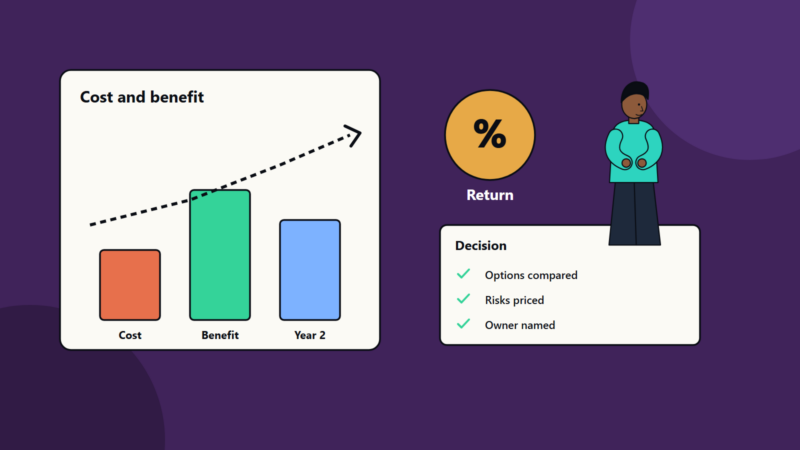
- How will we know the rebrand worked? Examples: brand awareness in target accounts, quality of inbound leads, win rate, price realisation, recruitment applications and employee understanding.
- What is the baseline, and what is the target?
Running the workshop
A typical structure for a half-day or two half-days:
- Set the scene: objectives, ground rules and the evidence summary.
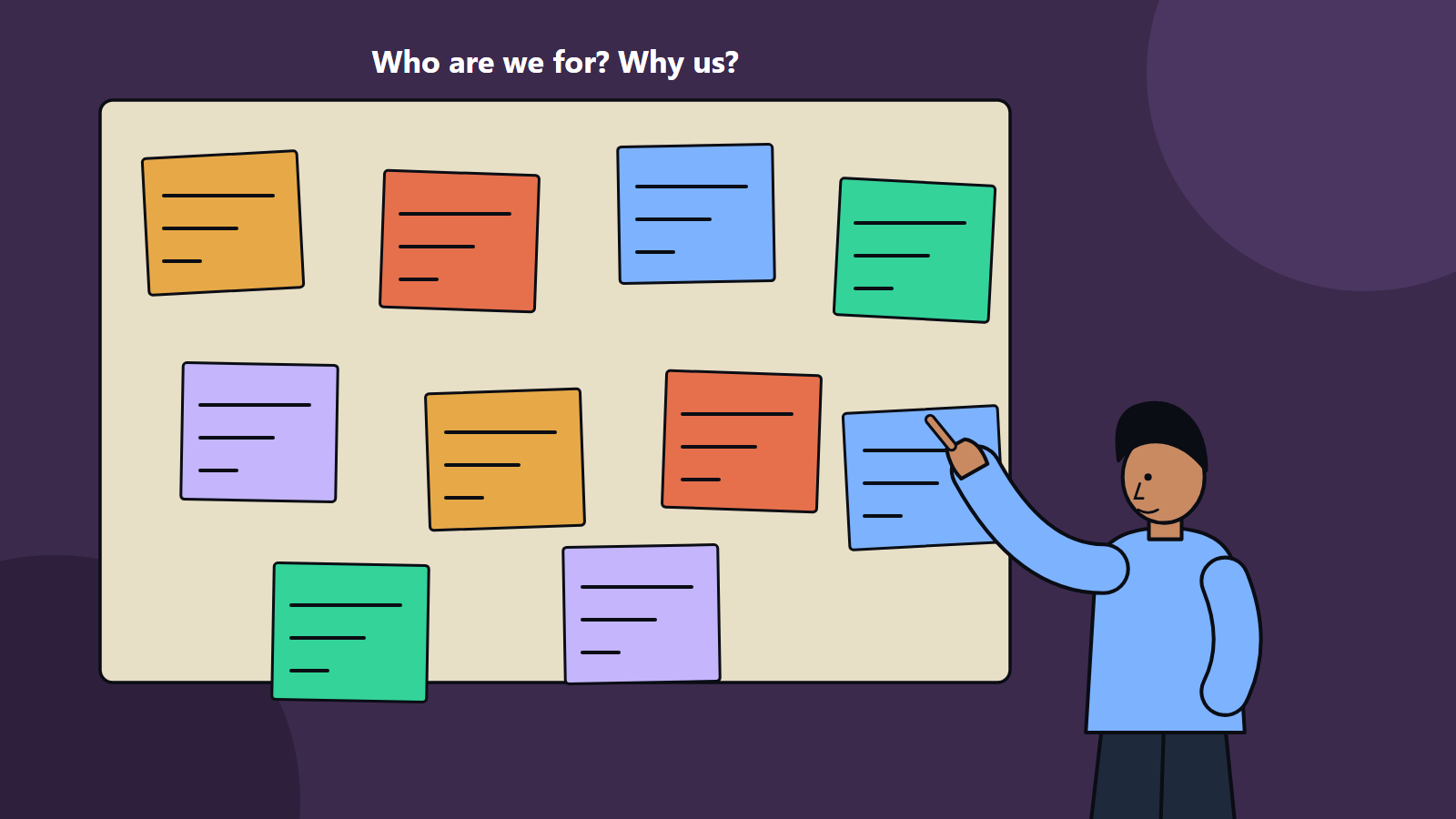
- Individual reflection: everyone writes answers silently first, which avoids the loudest voice winning.
- Share and cluster: group similar ideas on a wall or a shared board.
- Debate and decide on the key choices: audience, difference, personality.
- Draft the positioning statement and key messages together, in plain words.
- Stress test: would customers agree? Can we prove it? Does it set us apart?
- Agree next steps, owners and dates.
Use visual tools such as sticky notes, scales between opposites, such as formal to relaxed, and example brands that participants like and dislike.
What to produce
- A positioning statement and short message hierarchy.
- Brand personality and voice guide outline.
- A decision on what to keep, evolve or replace.
- A naming and architecture direction.
- A creative brief for designers and writers.
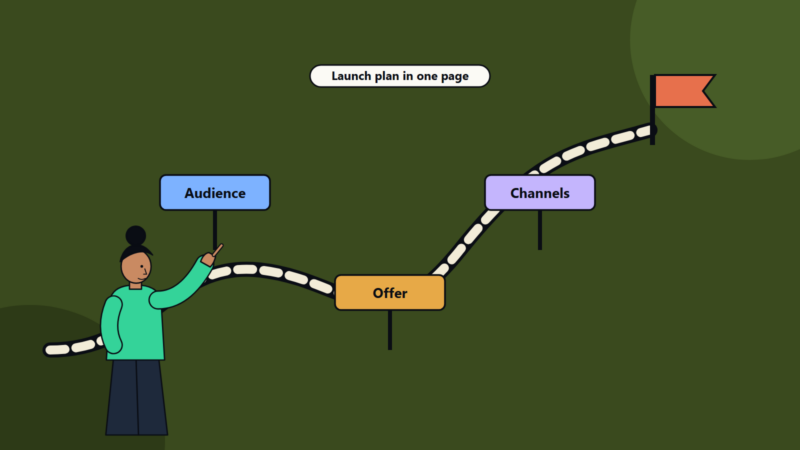
- A rollout plan covering internal launch, website, sales material, signage, products, legal and partner updates.
- Success measures and a review schedule.
Rollout planning
A rebrand is a change programme. Plan for:
- Internal first: brief employees before the public, with talking points, so they become advocates.
- Digital: website, domain redirects, social profiles, email signatures, directories and app stores. Protect search visibility with careful redirects, as our technical SEO checklist explains.
- Legal: trademarks, company registrations, contracts and compliance notices.
- Sales and customer communication: letters, emails, presentations and proposals.
- Physical: signage, packaging, uniforms and vehicles.
- Phasing: sometimes better to roll out in stages than to switch everything on one day.
- Budget and contingency.
Common mistakes
- Starting with a logo brief and skipping strategy.
- Letting the loudest executive decide.
- Ignoring customers’ views.
- Changing the name without checking search, legal and regional implications.
- Underestimating internal change.
- Treating the launch as the end.
- Copying a competitor’s style.
How SoftSapien supports brand strategy
SoftSapien facilitates brand workshops, runs the research behind them and turns the outcomes into positioning, messaging, websites and campaigns. See our brand strategy and corporate communications services.
To plan a workshop, visit the contact page and chat with our team, send a message or schedule a free consultation call.
Frequently asked questions
When does a company need a rebrand?
When the business or market has changed, such as new services, a merger, new markets or outgrown positioning. A design that merely feels old is a weak reason.
Who should attend a brand workshop?
A small group of six to ten: the executive sponsor, leaders from sales, product, customer success and operations, people and culture, a voice for customers and an independent facilitator.
What should a workshop produce?
A positioning statement, message hierarchy, personality and voice outline, decisions on what to keep, naming direction, a creative brief, a rollout plan and success measures.
What should we check before changing a name?
Search visibility, legal registrations, customer recognition, cultural and language issues in your markets and the redirect plan for digital assets.
Can SoftSapien facilitate a workshop?
Yes, including the research behind it. Contact SoftSapien through the contact page to chat with our team, send a message or schedule a free consultation call.