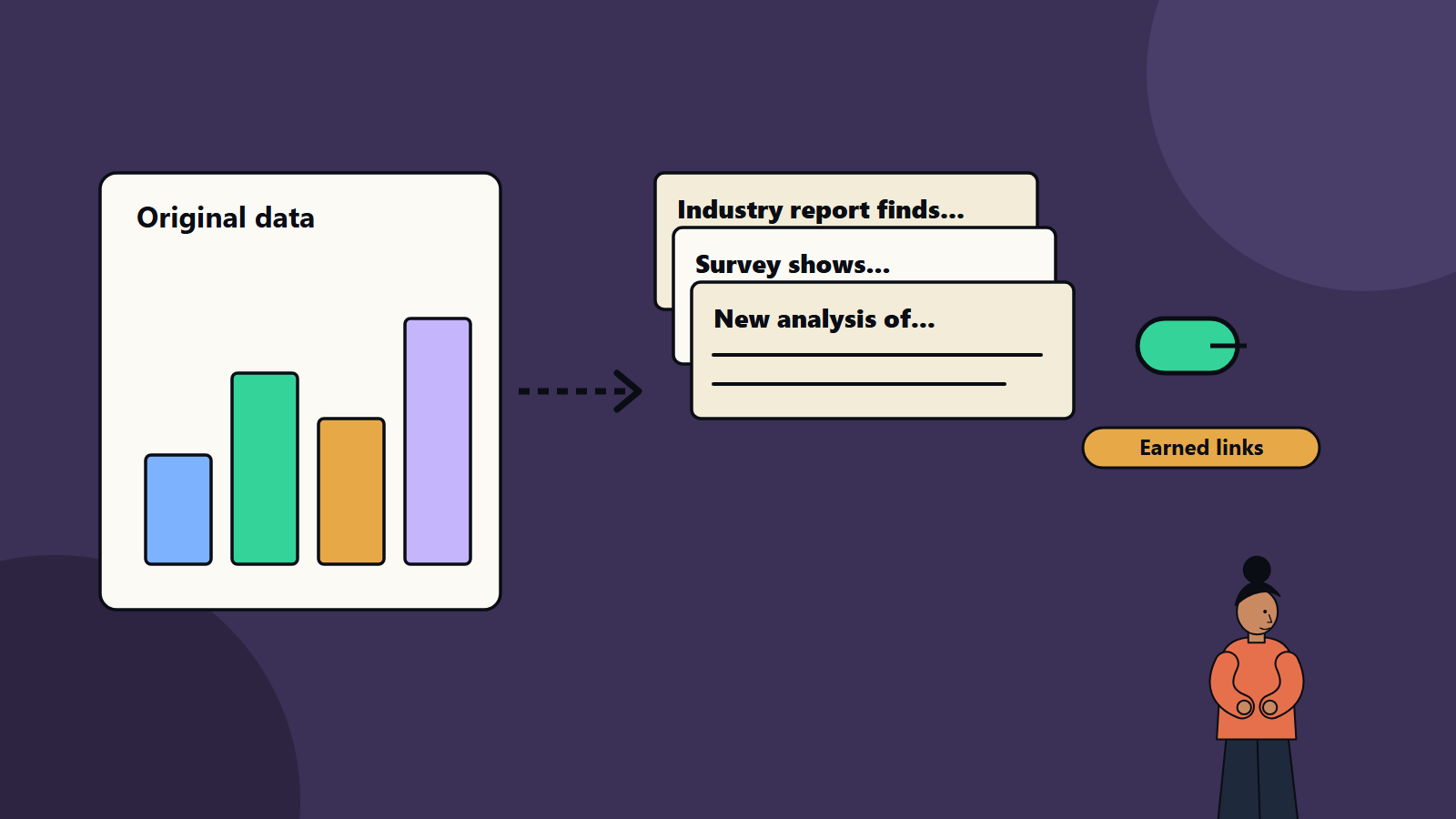
Short on time? Digital PR earns links and mentions from news sites, trade media and industry blogs by giving them something worth covering, most often original data, expert commentary or a useful tool. Find a real story, build it on solid evidence, tailor outreach to the journalists who cover the subject and measure results by quality of coverage and referral traffic. Avoid paid or swapped links meant to manipulate rankings.
Search engines treat links from respected sites as a sign that content is worth reading. Journalists and editors link to sources that help their readers. Digital PR joins those two facts: you create something newsworthy, give it to people who write for your audience and earn coverage that also builds authority.
The method is honest and slow. It rewards organisations that know something their market wants to learn. This guide explains how to plan campaigns around original data, how to pitch, how to stay on the right side of search engine rules and how to measure the result. It suits a small business with a local angle and a global company running multi-country campaigns.
Key takeaways
- Coverage follows a story: new data, a clear insight, a timely angle or a helpful resource.
- Original data from your own operations or a well-designed survey is a strong asset when its method is transparent.
- Build relationships with journalists, editors and analysts who cover your topics, and pitch with their readers in mind.
- Google treats links created mainly to manipulate rankings as spam. Earn links through value.
- Measure the quality of coverage and its effect on traffic, enquiries and brand search, beyond the raw number of links.
What digital PR is
Traditional public relations shapes how an organisation is seen through media, events and relationships. Digital PR applies the same thinking online: coverage on news sites, trade publications, podcasts, newsletters and blogs, often with links back to your site. A mention that names your brand without a link still builds awareness and may influence how search and AI systems understand your expertise.
Rules to respect
Google’s spam policies describe link spam as creating links primarily to manipulate search rankings. Examples include exchanging money, goods or services for links, excessive reciprocal linking and using software or services to generate links automatically. Paid links are acceptable for advertising or sponsorship when marked with rel=”nofollow” or rel=”sponsored”. The safe approach is to earn links by providing something editors want to cite. Be honest in outreach, and never pay for editorial coverage without disclosure.
Find the story
Original data
Data stories work because journalists need facts they cannot get elsewhere. Sources:
- Your own operational data, anonymised and aggregated, such as trends in customer behaviour, incident patterns or usage.
- Surveys of customers, employees or a panel of target respondents. Design questions carefully, state sample size and method and avoid leading questions.
- Analysis of public data in a new way, such as combining government statistics with your insight.
- Benchmarks and indexes published regularly, which journalists can return to each year.
Protect privacy and confidentiality. Check that aggregation cannot identify customers, and get approvals.
Expert commentary
Be the quotable specialist. Respond quickly to journalist requests and to news in your field with clear, short, substantive comments from named experts. Prepare a list of topics your experts can discuss.
Useful resources and tools
Calculators, checklists, glossaries, templates and interactive tools often earn links because they help readers do something. Make sure they are accurate, maintained and well designed.
Reactive and newsjacking-style content
Timely commentary on events in your area can earn coverage. Check facts, add real insight and avoid exploiting tragedies.
Local and human stories
Customer stories, community projects and local facts interest regional media. Get permissions.
Build the asset well
- Define the question your data answers and the headline findings. Aim for two or three clear points a journalist can quote.
- Be rigorous: document methods, sample sizes, dates and limits. State what the data cannot show.
- Present clearly: a short summary page, charts, downloadable data and a methodology note. Our guide to data visualization principles for executive reporting explains how to make charts easy to read.
- Create a landing page for the story on your site, with an embed option for charts, and make it crawlable and fast. See our technical SEO checklist.
- Prepare supporting material: quotes, expert bios, images and a press summary.
- Legal review for claims, comparisons and use of third-party data.
Outreach
Research the media
List publications, writers and podcasters who cover your topic and region. Read their recent work. Note the formats they use and what they have not yet covered. Use media databases, search and social channels.
Write a pitch that respects time
- Short subject line that states the news.
- Two or three sentences with the headline finding, why it matters to their readers and what you can provide: data, an expert, charts.
- Link to the full material.
- Offer an exclusive to one outlet when it suits.
- No attachments in the first email, no mass-blast with the wrong names and no pressure.
- Follow up once, politely, and move on.
Timing
Avoid major news days that crowd out smaller stories. Align with relevant events, seasons and publishing calendars. Allow embargoed access where appropriate.
Relationships
Treat journalists as partners. Respond fast, provide accurate material, admit when you do not know and credit them. Long-term relationships produce more coverage than single pitches.
International campaigns
For several countries, adapt data and angles to each market, translate carefully, work with local media contacts and respect local rules and holidays. Our guide to international SEO and hreflang helps with the site side of multi-market campaigns.
Beyond links
- Brand mentions and citations in articles, newsletters and podcasts help search and AI systems associate your name with a topic. Our guide to generative engine optimization explains why.
- Reputation: accurate, positive coverage supports sales conversations.
- Social reach: journalists and experts often share coverage.
- Recruitment and partnerships.
Measure
- Coverage: number, quality and relevance of placements, with domain reputation and audience fit weighed above raw volume.
- Links: which pages received links, from which kinds of sites and with what anchor text.
- Traffic: referral visits and engagement.
- Search impact: growth in impressions and clicks for target topics, and branded search.
- Business impact: enquiries, demo requests or sales that cite the coverage.
- Share of voice compared with competitors.
- Learning: which angles, journalists and formats worked.
Report on a regular schedule, and tie goals to business priorities.
Common mistakes
- Pitching generic news with no data or new angle.
- Surveys with weak methods that experts can criticise.
- Mass emails to irrelevant contacts.
- Hiding commercial relationships.
- Chasing links from low-quality sites.
- Ignoring the landing page experience.
- Judging a campaign on link count alone.
A first campaign plan
- Choose a question your audience cares about and your data can answer.
- Collect or analyse data, and write a short method note.
- Create the landing page, charts and quotes.
- Build a targeted media list of twenty to fifty contacts.
- Pitch in waves, starting with the best-fit outlets.
- Respond quickly, support requests with extra material and track coverage.
- Review results, and plan the next story.
How SoftSapien supports digital PR
SoftSapien’s team plans data-led campaigns, builds assets, runs outreach and connects results to search and pipeline measures. See our digital PR and search engine and AI services.
To plan a campaign, use the contact page to chat with our team, send a message or schedule a free consultation call.
Frequently asked questions
What is digital PR?
It applies public relations thinking online: earning coverage and links from news sites, trade media, podcasts and blogs by giving them something worth covering, such as original data or expert commentary.
Can I buy links for SEO?
Google treats links created mainly to manipulate rankings, including paid or traded links, as spam. Paid placements for advertising or sponsorship should be marked with nofollow or sponsored attributes.
What makes a good data story?
Original data with a clear method, two or three quotable findings, charts, a landing page and expert comment that helps journalists serve their readers.
How do I measure digital PR?
Look at quality and relevance of coverage, links earned, referral traffic, search impressions and branded search, enquiries that cite coverage and share of voice.
Can SoftSapien run digital PR campaigns?
Yes, from data assets to outreach. Contact SoftSapien through the contact page to chat with our team, send a message or schedule a free consultation call.