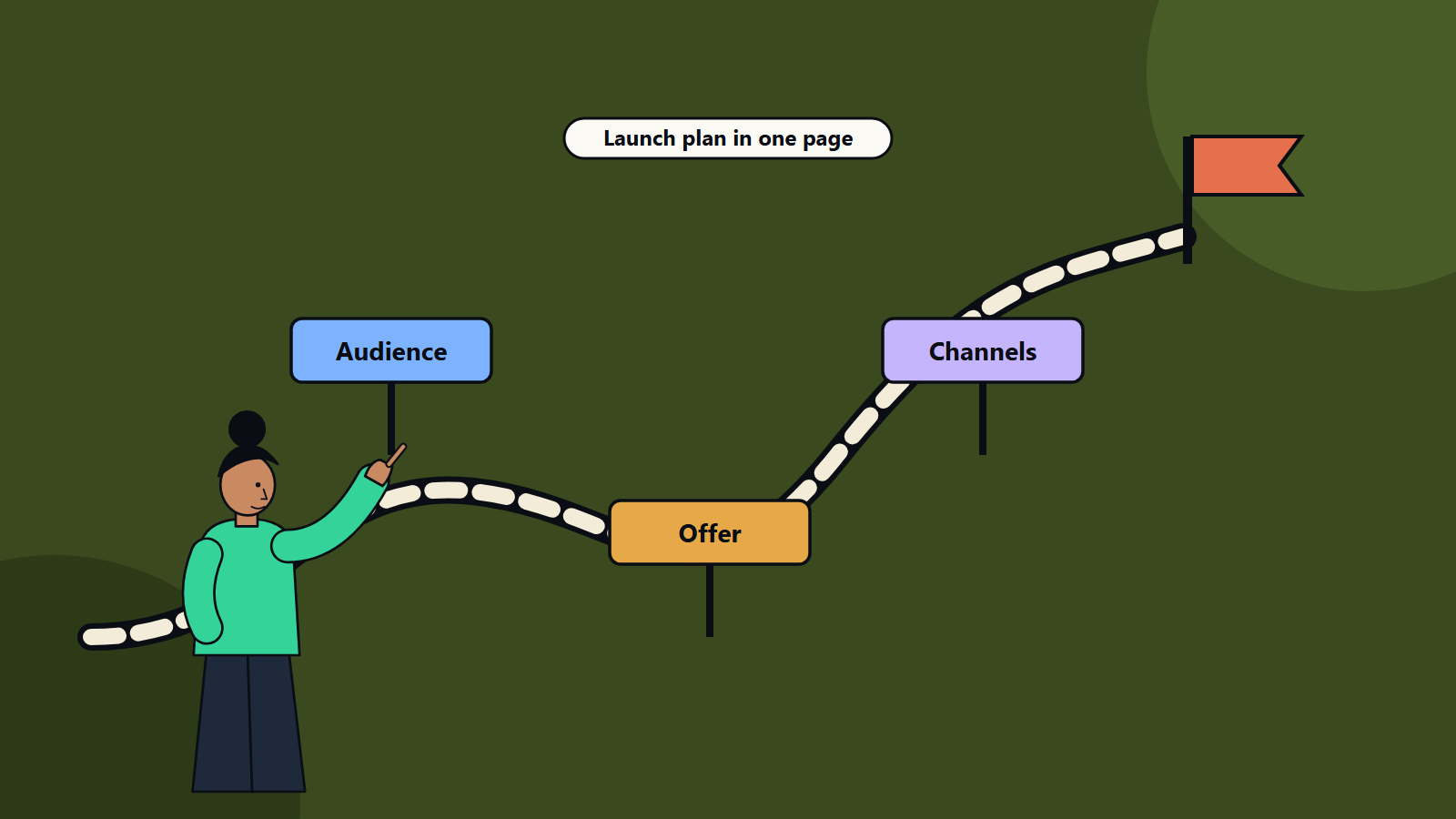
Short on time? A go-to-market plan answers who you sell to, what problem you solve, how you price and package, which channels reach buyers, what you say and how you will measure results. Write it on one page, test the riskiest assumption first with real customers and plan the first ninety days in detail.
Building software is only half the work of launching it. Many good products fail to find customers because nobody planned how buyers would hear about them, understand them and pay. A go-to-market plan, often shortened to GTM, connects product, marketing, sales and customer success around a single route to revenue.
This guide offers a practical structure for planning a launch, whether you are a founder with a first product, a small software company releasing a new module or an enterprise bringing a new service to market.
Key takeaways
- Start with a specific customer segment and a sharp problem. Broad targets dilute everything else.
- Decide pricing, packaging and sales motion together, since they shape each other.
- Choose a small number of channels and do them well.
- Messages come from customer language and proof.
- Set measurable goals, review often and adjust.
1. Define the customer and the problem
Be specific about who feels the problem most:
- Segment: industry, company size, region and role.
- Situation: what triggers the need?
- Problem: what does it cost them in time, money or risk?
- Current alternatives: spreadsheets, competitors, services or doing nothing.
- Buying process: who finds the product, who evaluates it and who signs?
Interview at least ten people in the target group. Ask how they handle the problem today, what they have tried and what a good result would be worth. Look for people who feel the pain strongly and already spend effort or money on it. Start with this group, which is sometimes called the beachhead, before widening.
2. Position the product
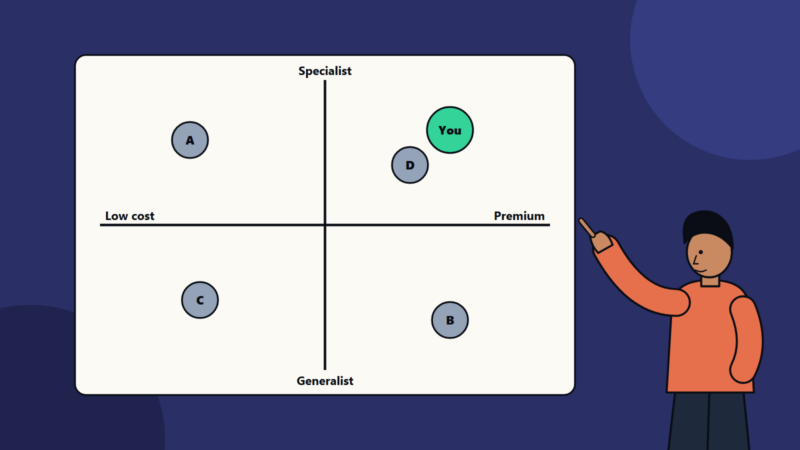
Our guide to brand positioning for technology companies gives a method. In short: decide the category, the main difference and the proof. Test it with customers in plain words.
3. Pricing and packaging
Pricing communicates value and shapes who buys. Consider:
- Pricing model: subscription, usage-based, per user, per feature tier, one-off or a mix.
- Price level: based on value delivered to the customer, costs and competitor prices.
- Packages: a small number of clear options, such as starter, growth and enterprise, with logical differences.
- Free tier or trial: helps adoption for products that are easy to try. It costs support and hosting, so set limits and conversion goals.
- Discount rules and contract terms.
- Regional pricing and tax: currency, local taxes and purchasing power differ by market.
Test prices with early customers, and be ready to adjust. It is usually easier to lower a price than to raise one for an existing customer.
4. Choose the sales motion
- Self-service: customers sign up and pay online. Suits low prices and simple products.
- Inside sales: a small team qualifies and closes through calls and demos. Suits mid-priced products.
- Field or enterprise sales: long cycles, multiple stakeholders and custom terms.
- Partners and resellers: extend reach through other firms, with margins and enablement.
- Marketplaces: listings on cloud or software marketplaces that bring buyers and simplify billing.
Many companies combine, for example self-service for small customers and sales-assisted for larger ones.
5. Select channels
Focus on a few where your buyers already look:
- Search and content: guides, comparison pages and documentation that answer buyer questions. Our technical SEO checklist helps your site be found.
- Paid search and social for specific intents and audiences, measured carefully.
- Email to nurture leads and customers.
- Community and social media, especially for developer and professional products.
- Events and webinars: in-person and online.
- Outbound: targeted email and calls to a defined list.
- Partnerships and integrations: appearing where users already work.
- Public relations and analyst relations for credibility.
- Referrals and customer advocacy.
Estimate cost per lead, conversion rates and payback for each channel, and test small before scaling.
6. Messaging and content
Create:
- A one-sentence description of what the product does, for whom.
- Three benefits, each backed by evidence.
- A homepage and product pages that answer the buyer’s top questions.
- Case studies, even small ones from pilot customers, with their permission.
- Demo scripts, one-page overviews and comparison guides.
- FAQ and objection handling.
- Onboarding material and help content.
Use customers’ words. Avoid claims you cannot support, and never present another company’s technology or results as your own.
7. Sales and customer success readiness
- Define the lead qualification criteria and handover rules.
- Set up the CRM with a simple pipeline. See our guide to CRM implementation mistakes for what to avoid.
- Train the team on the product, the customer and objections.
- Plan onboarding so new customers reach their first success quickly.
- Prepare support channels and service levels.
- Track activation, adoption and renewal from day one.
8. Launch plan
Plan in phases:
- Pre-launch: private beta with a handful of customers, feedback, testimonials and a waiting list.
- Soft launch: limited release to a defined group, fix problems and tune messages.
- Public launch: announcement across channels, outreach, events and partner activity.
- Post-launch: follow up leads, publish results, gather reviews and keep content flowing.
Set a calendar with owners and dates. Allow time for approvals and production.
9. Goals and measures
Set targets for the first ninety days and the first year:
- Qualified leads and sign-ups.
- Conversion rates at each stage.
- Customers won and revenue.
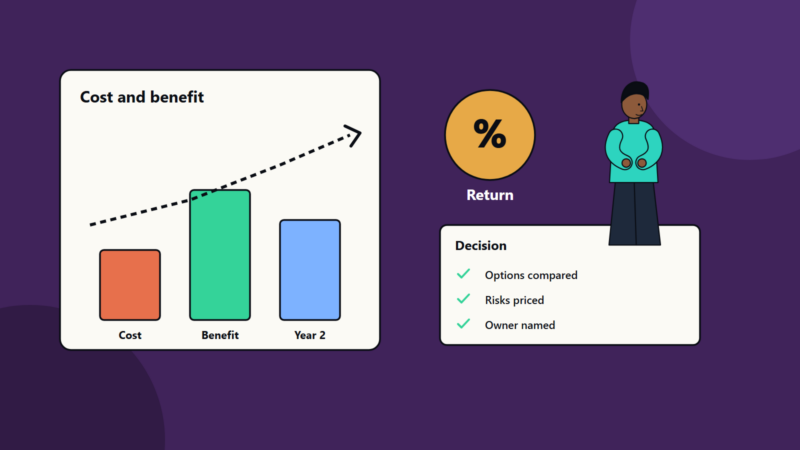
- Customer acquisition cost and payback.
- Activation and retention.
- Net promoter score or satisfaction.
- Pipeline and sales cycle length.
Review weekly during the launch and monthly after. Our article on performance marketing measurement explains how to judge channels fairly.
10. Budget and team
List costs: marketing programmes, tools, content, events, sales staff, partner incentives and customer success. Assign owners for product, marketing, sales and success, and hold a regular GTM meeting that reviews data and decides changes.
A one-page plan template
- Target customer and problem
- Positioning statement
- Pricing and packages
- Sales motion
- Top three channels
- Key messages and proof
- Launch phases and dates
- Goals and measures
- Budget and owners
- Biggest risks and how to test them
Common mistakes
- Targeting everyone.
- Setting the price last.
- Spreading effort over too many channels.
- Launching without proof or references.
- Handing leads to sales without agreed criteria.
- Ignoring onboarding, which drives retention.
- Treating launch as a single day.
How SoftSapien supports go-to-market work
SoftSapien works with founders and product teams on positioning, website and content, digital campaigns and the systems behind them, from a first MVP to a full launch. Explore our business advisory consulting, brand strategy and performance marketing services.
To plan your own launch, visit the contact page and chat with our team, send a message or schedule a free consultation call.
Frequently asked questions
What is a go-to-market plan?
It connects product, marketing, sales and customer success around a route to revenue, covering the target customer, positioning, pricing, sales motion, channels, messages, launch and measures.
How do I choose a target segment?
Interview at least ten people in the group, find those who feel the problem strongly and already spend effort or money on it, and begin with them before widening.
How many channels should I use at launch?
A few where buyers already look. Test small, estimate cost per lead, conversion and payback, and scale what works.
Should pricing be decided last?
No. Pricing shapes who buys and how you sell, so decide pricing, packaging and sales motion together and test with early customers.
Can SoftSapien help with a launch?
Yes, from positioning to campaigns. Contact SoftSapien through the contact page to chat with our team, send a message or schedule a free consultation call.