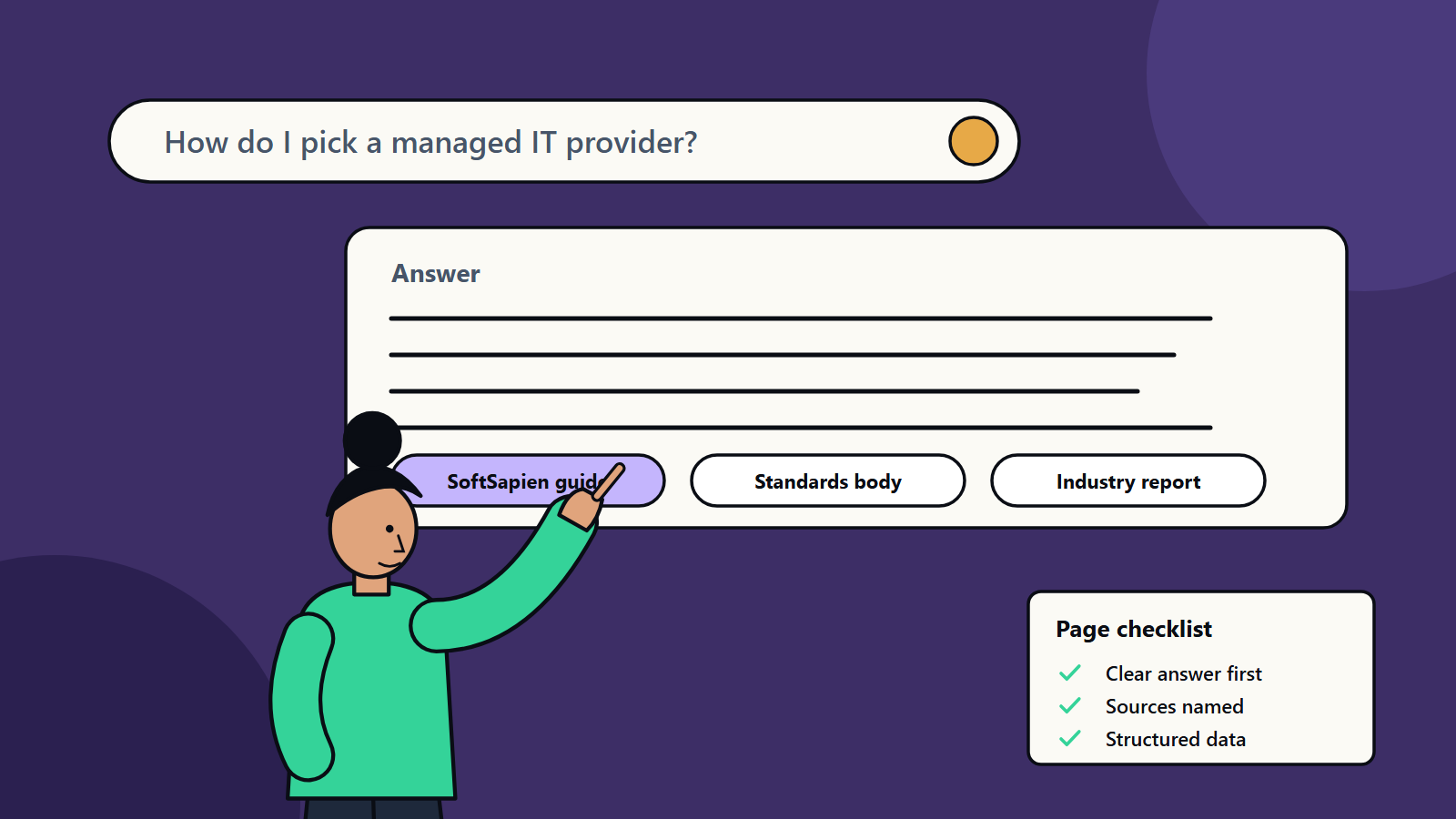
Short on time? Google states that no special optimisation is needed to appear in its AI features. The same fundamentals still decide who gets cited: indexable pages, clear answers in text, named sources, accurate structured data and a site people trust. Write each page so that a person or a machine can lift a correct answer from it in one pass.
People now ask questions in search boxes and chat assistants and read a written answer before they ever see a list of links. Generative engine optimization, usually shortened to GEO, is the practice of making your content easy for those systems to find, understand and cite. It sits alongside classic search engine optimization and extends it.
The topic attracts a lot of hype, so it helps to start with what the search providers themselves say. Google’s documentation on AI features and your website states that there are no additional requirements to appear in AI Overviews or AI Mode, and that no special optimisation is necessary beyond the standard search fundamentals. It also notes that you do not need new machine-readable files, AI text files or special markup. That is a useful anchor. The work below is about doing the fundamentals well and shaping content so that it answers questions directly.
Key takeaways
- Pages must be crawlable, indexed and eligible to show a snippet before any AI feature can cite them.
- Answers placed early in the page, in plain text, are easier to extract and quote.
- Named sources, dates and authorship signals from your organisation build trust.
- Structured data should match what is visible on the page. Google says no special schema is required for AI features.
- Measure with Search Console and your own analytics. AI features appear within the Web search type in Search Console.
How AI answers use your content
Answer engines gather information from many pages, combine it and present a summary, often with links to sources. Google describes a technique called query fan-out, where related searches are issued to assemble a broader answer and surface a wider set of links. The practical meaning for publishers is that a page can be cited for a sub-question it answers well, even when it does not rank first for the main query.
Chat assistants from other providers use their own methods, and these change often. Content that is clear, accurate and well sourced tends to work across them.
Technical foundations
Check these first, because without them nothing else matters:
- Crawling: your robots.txt, CDN and hosting must allow search crawlers to fetch the page.
- Indexing: the page returns a normal success status, has a canonical address and is not blocked by a noindex rule.
- Snippets: do not apply restrictive snippet controls to pages you want quoted. Google lists nosnippet, data-nosnippet, max-snippet and noindex as the controls for limiting what appears.
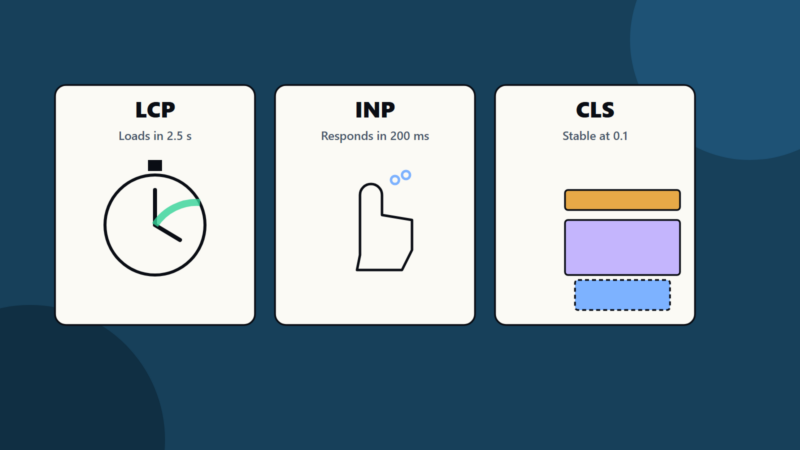
- Speed and page experience: fast, stable pages are easier to crawl and easier to read.
- Internal links: link from related pages so crawlers and readers can find the content.
Content that gets quoted
Write for the question, then back it up:
- Lead with the answer. Put a two or three sentence direct answer under the heading that poses the question, then expand.
- Use headings that match real questions. Phrases such as “How long does a cloud migration take?” mirror how people ask.
- Keep key information in text. Tables as images, text in graphics and content hidden behind scripts are harder to extract.
- Be specific. Numbers, conditions and examples give a system something concrete to cite. Where you quote a figure, name its source.
- Show how you know. Describe your method, your experience and the date you last reviewed the page.
- Cover the follow-up questions. A short FAQ section handles related questions in one place.
Authority and trust signals
Search systems look for evidence that a site deserves to be cited. Useful signals include a clear organisation identity, contact details, consistent information across your website and profiles, references from respected sites and content that matches real expertise. Digital PR, original research and speaking appearances support these signals over time.
Structured data
Use schema.org markup where it describes content that is visible on the page, such as organisation details, articles, FAQs, products and breadcrumbs. Google’s guidance on AI features asks that structured data matches the visible text. Treat markup as a way to remove ambiguity and not as a trick to influence AI output.
Local and international considerations
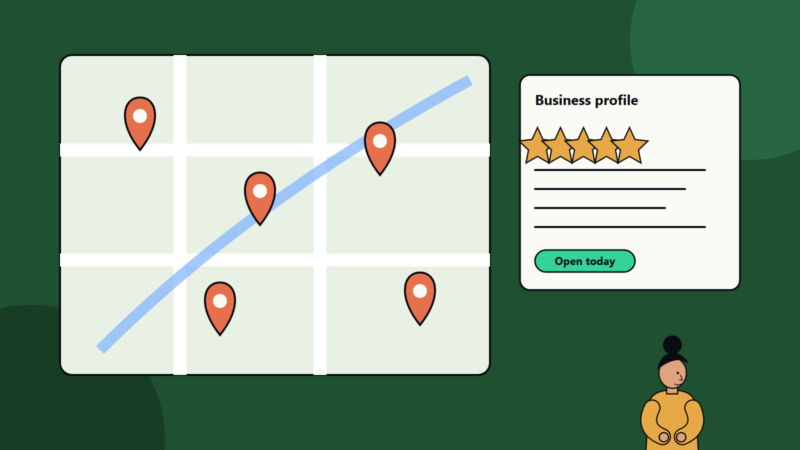
For businesses with several locations, keep names, addresses and opening hours identical across your site and business profiles, since assistants draw on them for local answers. For several countries or languages, use hreflang annotations and write each version for its audience so no page is a raw machine translation.
Measuring results
Traffic from AI features is reported inside Search Console’s Performance report under the Web search type, so you can watch impressions and clicks for the queries where your pages appear. Beyond that:
- Track branded search volume, which often rises when a brand is mentioned in answers.
- Sample a fixed set of target questions in the major assistants each month and record whether you are cited and whether the answer is accurate.
- Watch referral traffic from assistant domains in your analytics.
- Review how the answer describes you. Fix factual errors by clarifying the source page.
Treat these as directional signals. Answers vary by user, location and time, so a single check proves little.
What to avoid
- Mass-produced pages written only to catch questions.
- Hidden text or markup that does not match the page.
- Claims you cannot source.
- Chasing every new acronym. The fundamentals move slowly and reward consistency.
A starter plan
- Audit: check crawling, indexing and snippet settings on key pages.
- Select: choose twenty questions your buyers ask, from sales calls and support tickets.
- Rewrite: give each question a clear answer near the top of a relevant page.
- Support: add sources, dates and an FAQ, and fix internal links.
- Measure: record a baseline and review monthly.
SoftSapien and search in the age of AI answers
Our digital strategy team combines technical audits, content planning and measurement so that your expertise is visible in search results and in AI-generated answers. The work draws on our search engine and AI services, and extends to digital experience and digital PR where they strengthen authority.
To explore what this could look like for your site, head to the contact page where you can chat with us, send a message or book a free consultation call.
Frequently asked questions
What is generative engine optimization?
GEO is the practice of making content easy for AI search features and assistants to find, understand and cite. It builds on classic SEO and focuses on clear answers, trusted sources and accurate structured information.
Does Google require special optimisation for AI Overviews?
Google states that there are no additional requirements and no special optimisation needed to appear in AI Overviews or AI Mode. Pages must be indexed and eligible to show a snippet, and standard SEO fundamentals apply.
Do I need special schema or AI files?
Google says you do not need new machine-readable files, AI text files or special schema.org markup for AI features. Structured data should still match the visible text on the page.
How can I measure AI search visibility?
Sites appearing in Google AI features are included in the Web search type in Search Console. You can also sample target questions in major assistants monthly and watch branded search and referral traffic.
Where can SoftSapien help with GEO?
Our digital strategy team runs technical audits, content planning and measurement for search and AI answers. Contact SoftSapien through the contact page to chat with our team, send a message or schedule a free consultation call.