Short on time? Google says there are no extra requirements to appear in AI Overviews and AI Mode: a page needs to be indexed and eligible to show with a snippet. The work that matters is helpful, original, well-sourced content, sound technical SEO, clear answers and honest measurement in Search Console. Avoid shortcuts and special tricks.
Search results now often start with an AI-written summary that links to sources. For content teams this raises fair questions. Will people still click? How do we get included? Do we need new tactics?
This guide separates what Google has said from speculation, and turns it into a practical plan. It suits a small business with a blog and a global company with a large content library.
Key takeaways
- Google’s documentation says no additional requirements apply for AI Overviews and AI Mode, and no special structured data is needed.
- Pages must be indexed and eligible to appear in Search with a snippet.
- Standard fundamentals still apply: helpful, reliable, people-first content, strong technical foundations and consistency between markup and visible text.
- Search Console includes AI features traffic in the Web search type of the Performance report, with no separate breakdown.
- Measure outcomes, such as conversions and enquiries, and avoid guesswork about rankings.
What Google has said
Google’s documentation on AI features and your website states the main points:
- Eligibility: to be shown as a supporting link, a page must be indexed and eligible to appear in Search with a snippet. Indexing and serving are never guaranteed.
- No special optimisation: there are no additional requirements to appear in AI Overviews or AI Mode, and no special schema.org markup is needed.
- Foundations still count: Google points to its guidance on creating helpful, reliable, people-first content, and to keeping structured data consistent with the visible text.
- Controls: robots.txt governs crawler access. To limit what Search shows from a page, site owners can use directives such as nosnippet, data-nosnippet, max-snippet and noindex. A separate control, Google-Extended, relates to AI training and grounding in other Google systems.
- Reporting: traffic from AI Overviews and AI Mode is included in overall Search Console data, under the Web search type in the Performance report.
Treat any advice that claims secret rules for AI summaries with caution. Features and documentation change, so re-read the official pages from time to time.
What this means for content teams
Make pages eligible
Technical basics decide whether a page can be shown at all:
- Let search crawlers reach the page, and check robots.txt and noindex settings.
- Make sure the page is indexed. Use the URL Inspection tool in Search Console.
- Keep important text in the HTML, visible without heavy scripts or images.
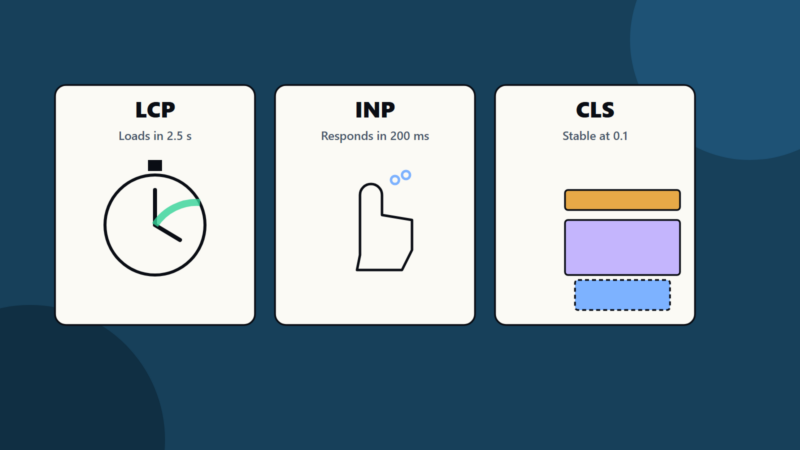
- Serve pages quickly and reliably. See our technical SEO checklist and guide to Core Web Vitals.
- Use correct structured data that matches what readers see. See structured data and schema markup.
Write helpful, original content
Google’s guidance on helpful, people-first content asks whether content adds original value, is thorough and shows expertise. In practice:
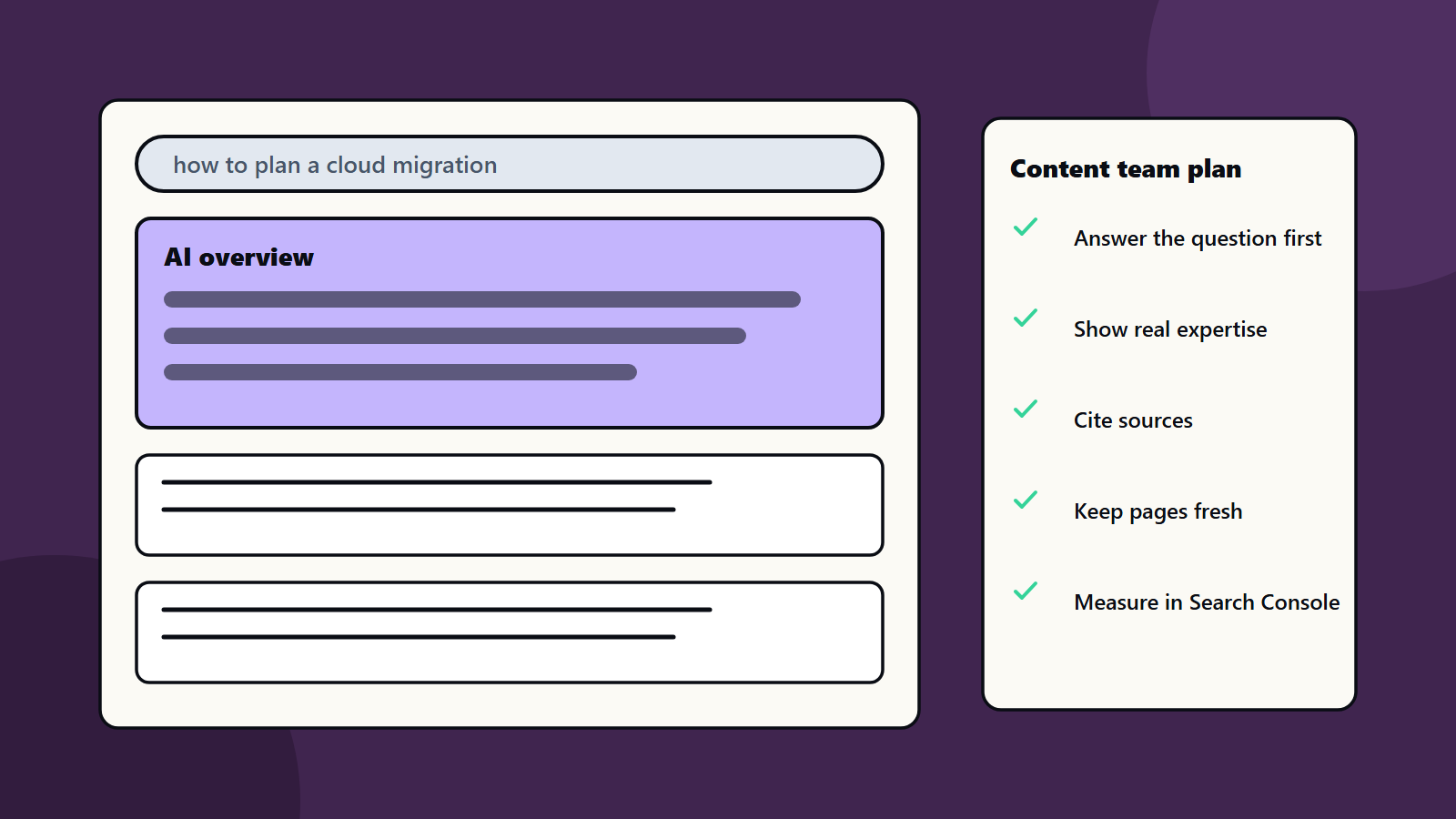
- Answer the real question early and clearly, then give depth.
- Add what a summary cannot: first-hand experience, original data, examples, tools and honest trade-offs.
- Cite primary sources, and check facts.
- Show who is responsible for the content, and keep it updated.
- Cover a topic thoroughly in a cluster of linked pages. See content strategy for technical buyers.
- Avoid mass-produced, thin pages made to catch searches.
Structure for clarity
- Use clear headings that match the questions people ask.
- Put short, direct answers near the top of sections.
- Use lists and steps where they help, and define terms.
- Keep one topic per page where possible.
These habits help human readers first, and they also make content easier for automated systems to understand. Our guide to generative engine optimization explores this in more depth.
Decide what to share
If you do not want Search to show a snippet of a page, the controls above exist. Weigh the trade-off: limiting snippets may also reduce visibility. Keep a policy and review it with legal and marketing teams.
Adjust the strategy
- Expect changes in clicks for simple factual questions, which summaries can answer. Content that offers depth, tools, original research and a point of view gives people a reason to visit.
- Target the full journey, including comparison and decision content, where visitors want detail. See keyword research for B2B technology services.
- Build brand and trust: people remember sources they find useful, and search for them by name.
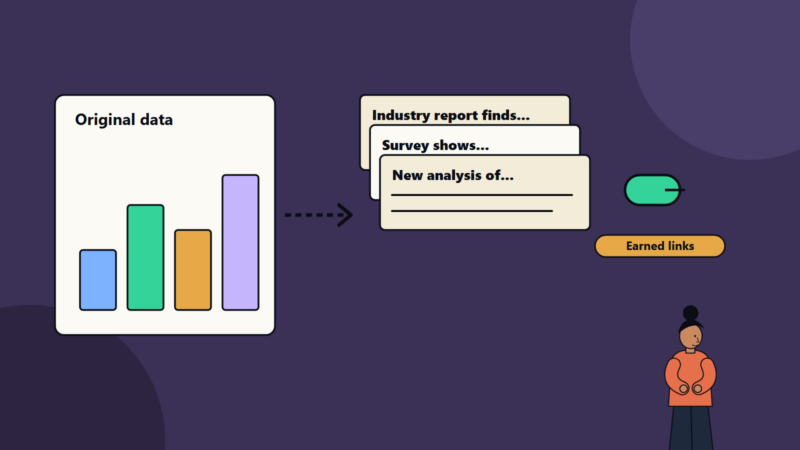
- Earn mentions and links with original research. See digital PR with original data.
- Diversify channels: email, communities, video and events reduce dependence on any one source. See B2B social media platforms.
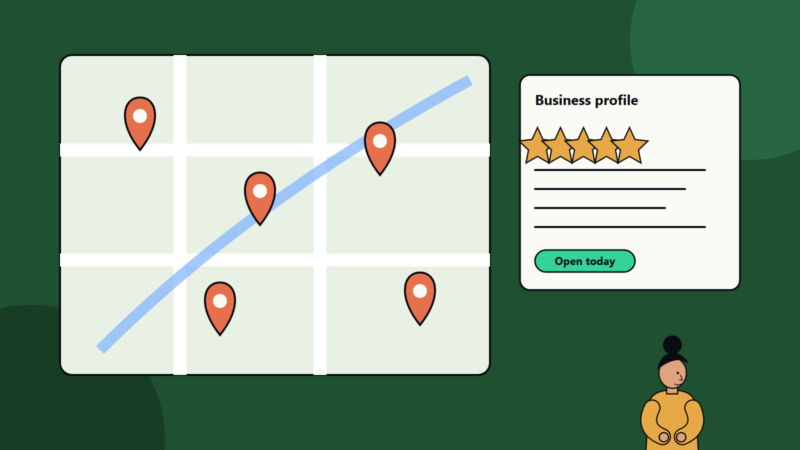
- Local and international pages still need their own care. See local SEO for multiple locations and international SEO and hreflang.
Measure honestly
- Use Search Console’s Performance report for impressions, clicks and queries. AI features data is included in the Web search type, so avoid claims about separate AI numbers that the tool does not provide.
- Compare periods carefully, and account for seasonality and other changes.
- Track outcomes: sign-ups, contact requests and sales conversations. Set up analytics properly. See GA4 setup and governance.
- Record query sets that matter to your business, and review how your pages appear for them.
- Ask new customers how they found you.
- Review quarterly, and refresh pages that have lost value.
Common mistakes
- Chasing hidden tricks for AI summaries.
- Adding structured data that does not match the page.
- Blocking crawlers by accident.
- Publishing many thin pages with automation and no expert review.
- Measuring only clicks, and ignoring conversions.
- Leaving content to age.
- Ignoring brand and non-search channels.
A starting plan
- Audit crawlability, indexing and snippet settings for your top pages.
- Pick ten important pages and improve them: clear answers, original value, sources and fresh facts.
- Add structured data that matches the visible content.
- Set up Search Console and analytics reports for outcomes.
- Review quarterly, and plan content from real customer questions.
How SoftSapien supports search and content strategy
SoftSapien’s strategists and engineers audit technical SEO, plan topic clusters, produce expert-led content and measure results in analytics and Search Console. See our search engine and AI and digital experience services.
To plan your content for the new search results, use the contact page to chat with our team, send a message or schedule a free consultation call.
Frequently asked questions
Do we need special optimisation for AI Overviews?
Google says no additional requirements apply and no special structured data is needed. Pages must be indexed and eligible to show with a snippet.
Can we control what appears?
Yes. Directives such as nosnippet, data-nosnippet, max-snippet and noindex limit what Search shows, and robots.txt governs crawler access.
Where does AI feature traffic show in reports?
It is included in the Web search type of the Performance report in Search Console, with no separate breakdown.
What should content teams do?
Keep pages crawlable and indexed, write original and well-sourced content, answer questions clearly and measure conversions as well as clicks.
Can SoftSapien help with search strategy?
Yes, with audits and content plans. Contact SoftSapien through the contact page to chat with our team, send a message or schedule a free consultation call.