Short on time? Automate the routine and hand over the rest. Let a bot answer common, low-risk questions and complete simple tasks, and send customers to a person when they ask, when they are upset, when the bot is unsure or when money, safety or legal issues are involved. Pass the full conversation along, measure resolution and satisfaction, and review failed chats every week.
Most customers are happy to get a fast answer from a bot about opening hours or an order status. Few are happy to be trapped in a loop with a bot that cannot help, while a real problem sits unsolved. The difference between those two experiences is the handover.
This guide explains how to decide what to automate, when a bot should pass a conversation to a person and how to make that moment smooth. It suits a small online shop with one support inbox and a contact centre handling millions of conversations.
Key takeaways
- Automate high-volume, low-risk, well-defined requests first.
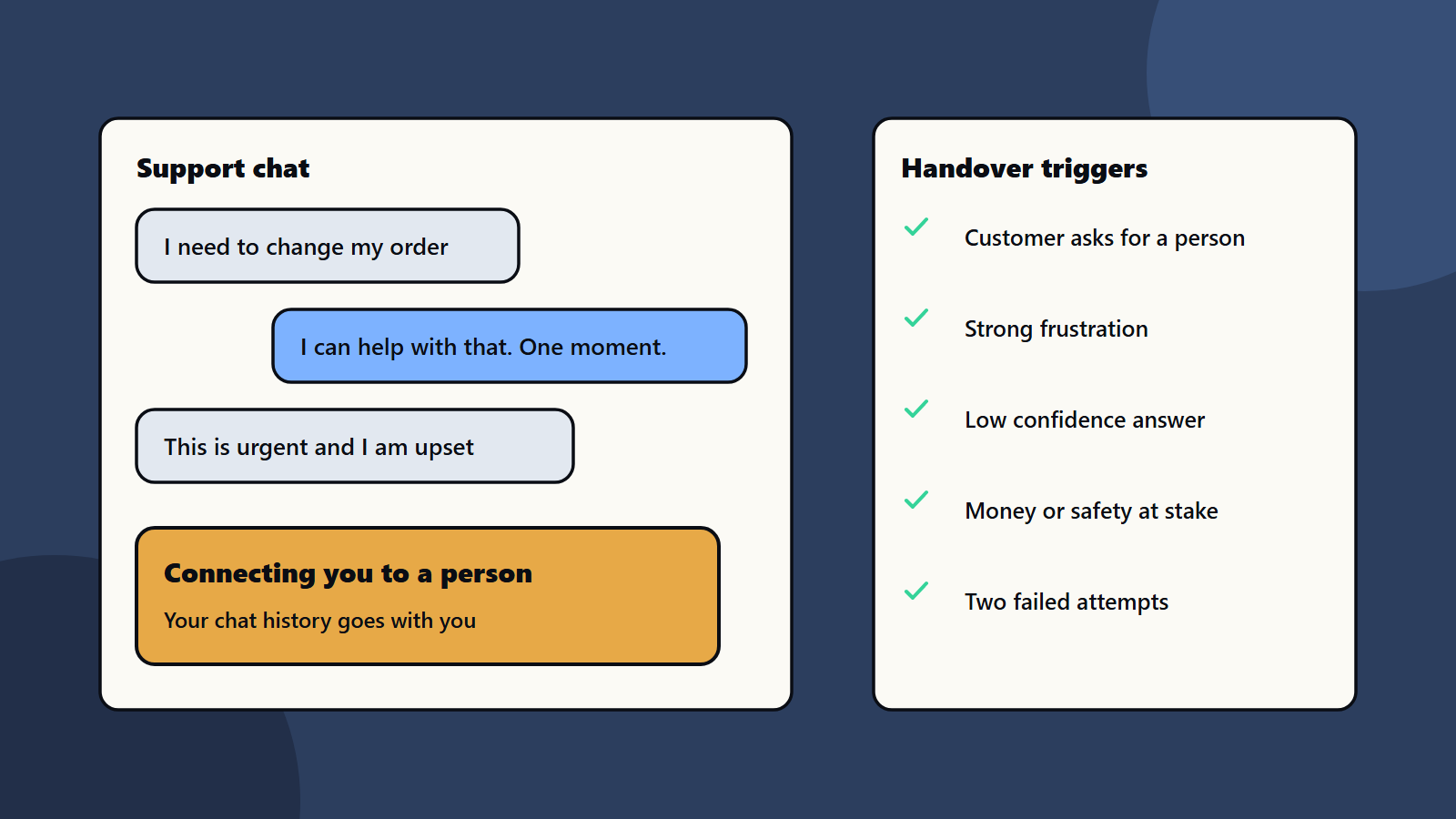
- Define clear triggers for handover: customer request, emotion, low confidence, high stakes and repeated failure.
- Hand over with context, so customers never repeat themselves.
- Always offer a route to a human, and be honest that the customer is talking to a bot.
- Measure resolution, satisfaction and escalation quality, and learn from every failed conversation.
What to automate
Good candidates share these traits:
- High volume: the same question many times a day, such as order status, delivery times, password resets and opening hours.
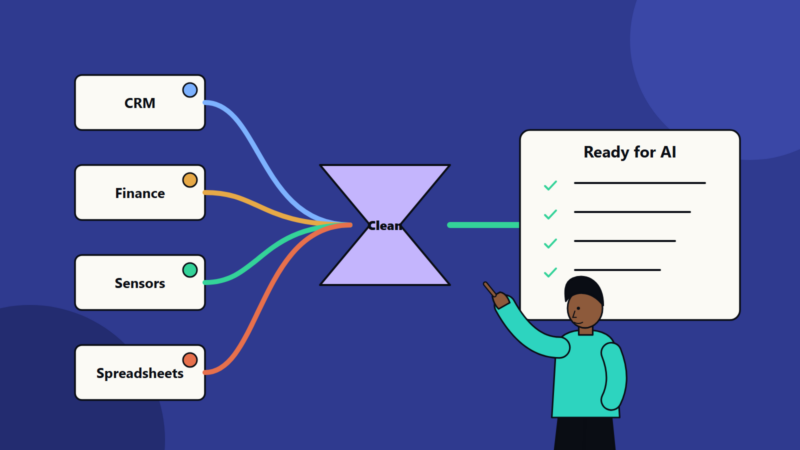
- Clear answers: facts that exist in a reliable source.
- Low risk: a wrong answer is easy to correct and causes little harm.
- Simple actions: updating an address, booking a slot or sending a document, with secure checks.
Poor candidates include complaints with strong emotion, complex or unusual cases, vulnerable customers, large financial decisions and anything with legal or safety consequences. Review a sample of real conversations to see which fall in which group. Our guide to choosing your first AI use case offers a scoring method.
When a bot should hand over
Write these down as rules and test them.
- The customer asks for a person. Honour it quickly, without making them argue.
- Frustration or distress: repeated complaints, strong language, capital letters or phrases that signal anger. Sentiment detection helps, and so does a simple rule such as three failed attempts.
- Low confidence: the bot is not sure what the customer means or whether its answer is right. Handing over beats guessing.
- High stakes: payments over a threshold, account closure, medical or safety concerns, legal threats, fraud claims and data requests under privacy law.
- Vulnerability signals: customers who mention bereavement, financial hardship or difficulty understanding.
- Repeated loops: the same question asked twice, or two failed attempts to solve the problem.
- Exceptions and policy decisions: refunds outside policy, special requests and negotiations.
- Technical failure: an integration is down or an action fails.
- Value or relationship: key accounts or sales opportunities that deserve a personal touch.
Make the handover smooth
- Warm transfer: the person receives the full transcript, the customer’s identity (after verification), what the bot tried and a short summary.
- Set expectations: tell the customer what happens next and the likely wait.
- Route well: send the case to the right team and skill.
- Out-of-hours plan: if nobody is available, offer a callback, a ticket with a promised response time or an email follow-up.
- Channel continuity: keep the conversation in the same thread or channel where possible.
- No repeat questions: never ask for information the customer already gave.
- Let people return to the bot for simple follow-ups after the human resolves the main issue.
Design for trust
- Be open: say it is an automated assistant, and say what it can do.
- Keep answers grounded: use approved sources, and let the bot say it does not know. See our guide to retrieval-augmented generation.
- Guard against manipulation: customers or attackers may try to trick assistants into breaking rules. See prompt injection explained.
- Protect data: verify identity before sharing account details, mask sensitive data and follow privacy law. See AI agent governance.
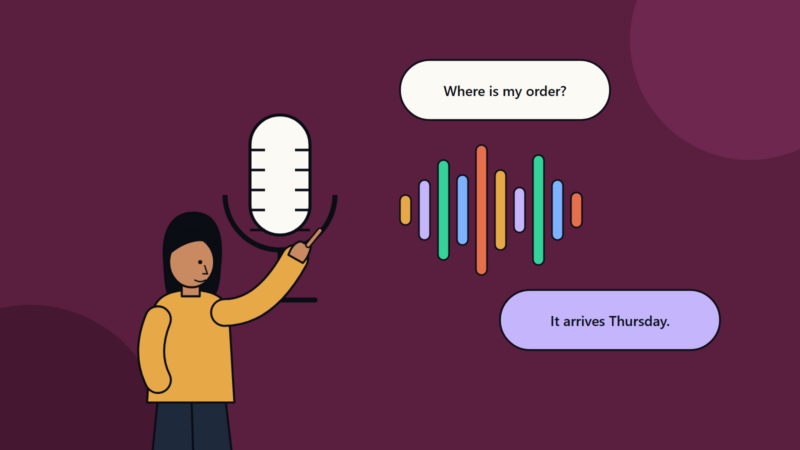
- Consider voice: phone assistants face extra challenges. See voice AI customer support design rules.
- Accessibility: support screen readers, simple language and alternatives for people who struggle with chat. See WCAG accessibility.
- Tone: polite, short and honest, with no pretending to be human.
Prepare the human team
- Train agents to handle escalations, with the transcript and a calm opening.
- Give them tools to correct and improve the bot: flag a bad answer, suggest a better one.
- Rebalance work: agents take fewer routine cases and more complex, emotional ones, which calls for coaching and support.
- Plan rosters around peaks, including bot failures.
Measure what matters
- Resolution rate: the share of conversations solved without a person, checked by follow-up contact, since a customer who gave up has not been helped.
- Containment is not the goal: pushing it too high traps customers. Track escalation rate alongside satisfaction.
- Customer satisfaction for bot-only and handed-over conversations.
- Handover quality: time to reach a person, repeated questions and agent feedback.
- First contact resolution and repeat contacts.
- Cost per resolved case, including agent time.
- Failure review: sample failed or abandoned chats weekly, and fix the cause.
Test the assistant with a fixed set of questions before each release. See our guide to evaluating model output with a test set.
Common mistakes
- Hiding the route to a human.
- Measuring only how many chats the bot closes.
- Handing over with no context.
- No rules for high-stakes topics.
- Letting the bot guess when unsure.
- No review of real conversations.
- Launching with all topics at once.
A starting plan
- Analyse a month of tickets, and pick five routine topics.
- Write the handover rules, and the data passed to agents.
- Build and test the assistant on those topics with real questions.
- Launch to a small share of customers, with human monitoring.
- Review weekly, add topics gradually and report resolution and satisfaction.
How SoftSapien supports customer service automation
SoftSapien’s AI engineers and CX specialists analyse support demand, design assistants with clear handover rules, integrate them with contact centre tools and monitor quality. See our conversational AI and chatbots and AI development services.
To plan your support automation, use the contact page to chat with our team, send a message or schedule a free consultation call.
Frequently asked questions
When should a bot hand over to a person?
When the customer asks, when they are frustrated, when the bot is unsure, when money, safety or legal issues are involved and after repeated failed attempts.
What makes a handover smooth?
Pass the transcript and a summary, route to the right team, set expectations, offer an out-of-hours option and never ask for information again.
Which metrics matter?
Resolution rate checked by follow-up contacts, satisfaction, escalation rate, handover quality, first contact resolution and cost per resolved case.
Should customers know they are talking to a bot?
Yes. Be open, keep answers grounded in approved sources and always offer a route to a person.
Can SoftSapien help build support automation?
Yes, with design and integration. Contact SoftSapien through the contact page to chat with our team, send a message or schedule a free consultation call.