Short on time? A technology launch needs one clear story told to the right audiences at the right time. Define the message and proof, map customers, employees, partners, press and regulators, prepare materials and spokespeople, plan a timeline from weeks before launch to weeks after, ready answers for hard questions and measure results. Keep claims accurate, and have an issues plan for when something goes wrong.
A product can be excellent and still launch badly. Employees learn about it from the news, customers cannot tell what changed and the sales team has no answer to the first tough question. Good corporate communications prevent this by making sure everyone hears a consistent story at the right moment.
This guide covers launch communications for technology products and programmes, from a small firm announcing a new service to a global company releasing a major platform.
Key takeaways
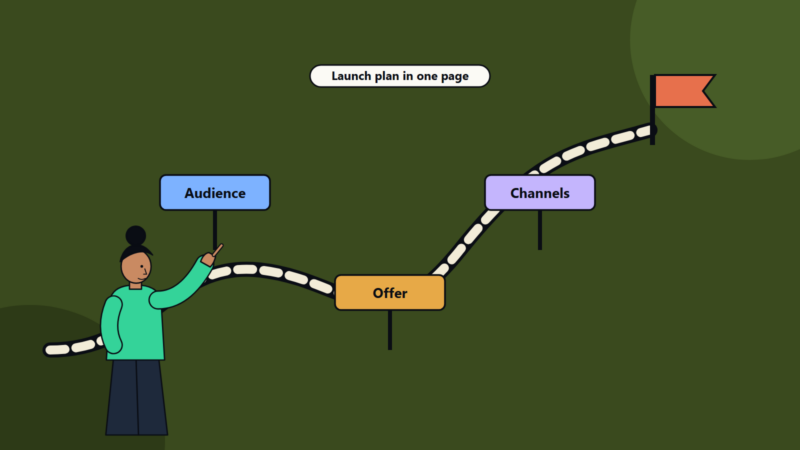
- Start with a short, honest story: who it is for, what problem it solves, what is new and what proof exists.
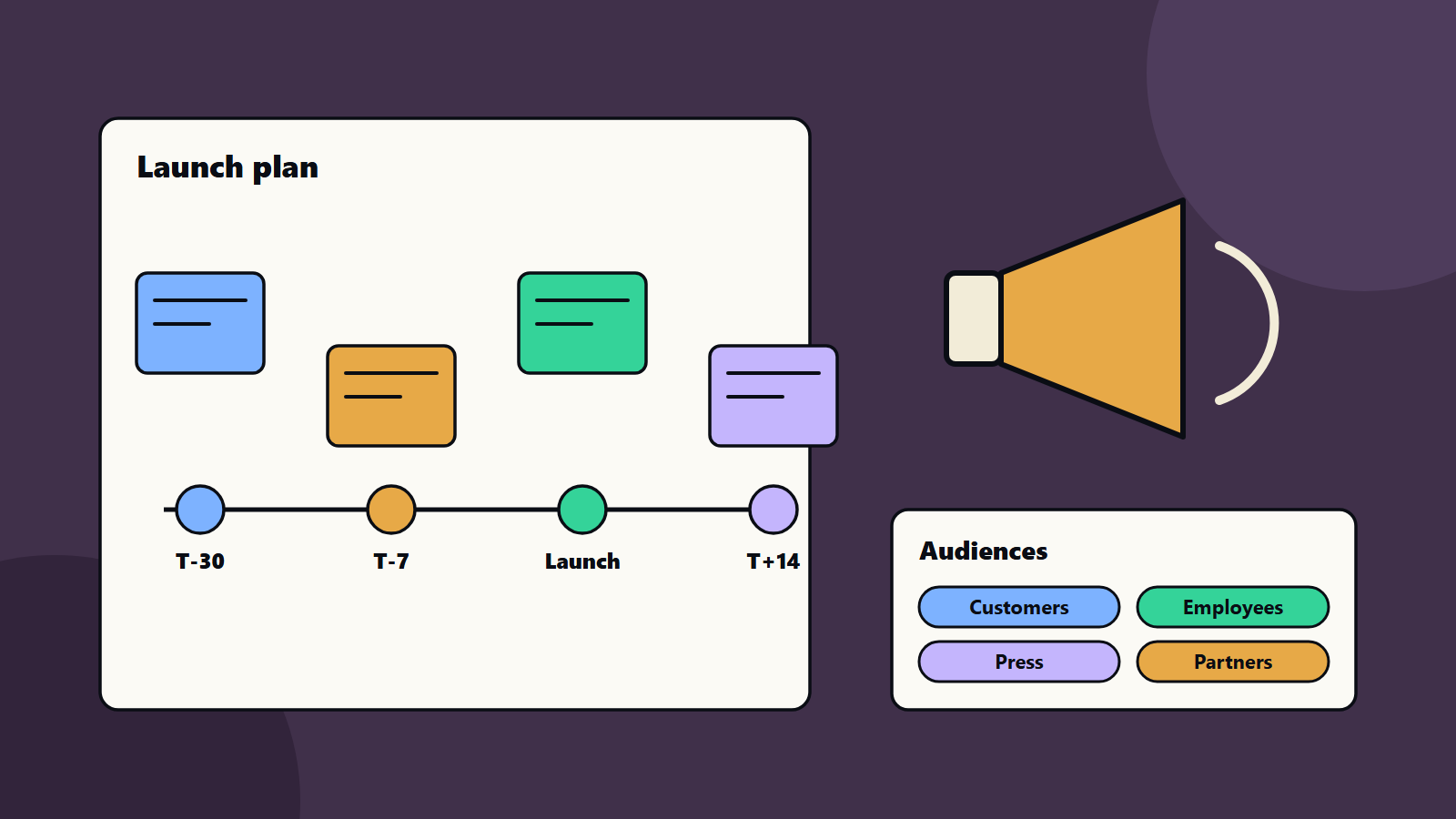
- Map audiences and what each needs to know and do: customers, employees, partners, media, investors and regulators.
- Use a timeline with internal readiness first, then external announcement, then follow-up.
- Prepare spokespeople and answers to hard questions, and keep every claim accurate and supportable.
- Plan for issues, and measure results beyond coverage counts.
Start with the story
Write a one-page narrative before any press release:
- Audience and problem: who needs this, and what is hard for them today?
- What is launching: in plain words, with no jargon.
- Why now: what changed in the market or technology.
- Proof: customer results you are allowed to share, test data, third-party reviews or independent standards. Never invent figures, quotes or clients.
- What it means for different groups: customers, partners and employees.
- Call to action: what you want people to do next.
- Boundaries: what the product does not do yet, since honest limits build trust.
Test the story on someone outside the project. If they cannot repeat it in two sentences, simplify. Our guide to brand positioning for technology companies helps sharpen it, and the go-to-market guide for a software product places the launch in the wider plan.
Map the audiences
- Employees: hear first. They need to understand it, explain it and feel proud and informed. Provide a briefing, a short FAQ and a place to ask questions.
- Customers: existing customers deserve direct communication before or with the public announcement, especially if the change affects them.
- Prospects and the market: need clarity on value and how to try it.
- Partners and resellers: need enablement materials, pricing, support routes and timing.
- Media and analysts: need a clear angle, access to experts and evidence. Respect embargoes.
- Investors and board members: if relevant, align messages and timing with disclosure rules.
- Regulators and public bodies: where the product touches regulated areas, plan notifications with legal advice.
- Community and social audiences: developers, user groups and online communities. See community building for software brands and B2B social media platforms.
Build the materials
- Core message document and approved facts sheet.
- Press release and media kit with images, logos and spokesperson biographies.
- Web page or product page, and a short explainer video or demo.
- Customer email and in-product messages.
- Sales deck, battlecard and objection answers.
- Partner kit.
- Employee briefing and social media guidance.
- FAQ for support and sales teams.
- Hard questions with agreed answers: pricing, security, data handling, competitors and limitations.
Check everything for accuracy, accessibility and style. Legal review should cover claims, trademarks, third-party names and regulatory language. For help with tone, see our brand strategy workshop guide.
Plan the timeline
A typical sequence:
- Six to eight weeks before: confirm goals, story, audiences, owners and approvals. Brief key sales and support leads.
- Four weeks before: prepare materials, train spokespeople and brief partners under confidentiality. Arrange analyst and press briefings if appropriate, under embargo.
- One week before: brief employees, finalise the issue plan, test links and systems and rehearse.
- Launch day: release the announcement in an agreed order: employees and customers, then public channels, then media and social posts. Resource the support desk and monitor channels.
- Weeks after: share customer stories, publish deeper guides, run webinars, follow up on enquiries and gather feedback.
Name one person who owns the launch calendar, with a short daily check during launch week.
Prepare spokespeople
- Choose people who know the subject and can explain it in plain language.
- Give them the message, the facts and the hard questions.
- Practise interviews and presentations, including bridging back to the key message honestly.
- Agree who speaks on which topic, and who handles social media replies.
- Prepare for global audiences: time zones, languages and cultural norms.
Technology-specific care
- Security and privacy: be ready to explain how data is handled, with documentation and certifications you actually hold.
- AI features: be clear about what the AI does, its limits and human oversight. Avoid overclaiming. See responsible AI policy.
- Reliability: if the product depends on infrastructure, be ready for load on launch day. See performance testing.
- Roadmaps: avoid promising dates you cannot guarantee.
- Jargon: explain terms, and use the customer’s words.
- Technical audience: include documentation, demos and honest comparisons.
Plan for issues
Things go wrong on launch days: bugs, outages, misreadings and criticism. Prepare:
- A list of likely risks and who decides responses.
- Holding statements, and approval routes that work in minutes.
- A monitoring plan for social media, support and news.
- Clear internal escalation.
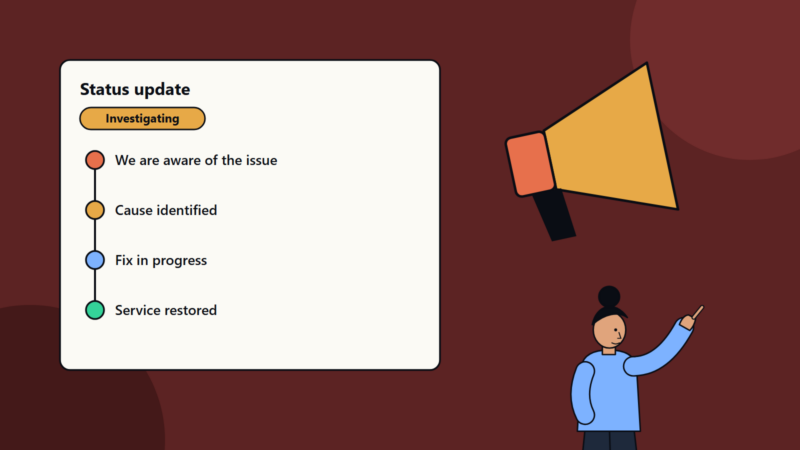
- Honest, timely updates when problems occur. See corporate communications during a technology incident.
Measure results
- Reach and attention: website visits, video views, event attendance and media pickup, with quality as well as quantity.
- Engagement: sign-ups, trials, demo requests and downloads.
- Pipeline: leads and opportunities linked to the launch. See performance marketing attribution.
- Adoption: use of the new product by existing customers.
- Sentiment: reviews, social comments and customer feedback.
- Internal readiness: employee understanding, measured by a short survey.
- Learning: a review after thirty days with what worked and what to change.
Common mistakes
- Telling employees after the public.
- Messages full of jargon and superlatives.
- Claims without evidence.
- No plan for tough questions.
- Launching on a day when other news dominates, with no flexibility.
- One announcement and then silence.
- Underestimating support load.
- No post-launch review.
A starting plan
- Write the one-page story and the proof list.
- Map audiences and owners, and set the timeline.
- Prepare materials, answers and spokespeople.
- Brief employees, customers and partners before the public announcement.
- Run the launch, monitor and respond.
- Review after thirty days, and plan the next phase.
How SoftSapien supports technology launch communications
SoftSapien’s communications strategists define messages, plan audiences and timelines, prepare materials and spokespeople and support launches and follow-up across regions. See our corporate communications and digital PR services.
To plan your next launch, use the contact page to chat with our team, send a message or schedule a free consultation call.
Frequently asked questions
Who should hear about a launch first?
Employees and, where affected, existing customers should hear before or with the public announcement, then partners, media and public channels in an agreed order.
What should a launch story include?
The audience and problem, what is launching, why now, real proof, what it means for each group, a call to action and honest limits.
How do we prepare for hard questions?
List likely questions on pricing, security, data handling, competitors and limitations, agree answers and rehearse with spokespeople.
How do we measure a launch?
Look at engagement, pipeline, adoption, sentiment and internal readiness, and hold a review after thirty days.
Can SoftSapien help plan a launch?
Yes, from story to follow-up. Contact SoftSapien through the contact page to chat with our team, send a message or schedule a free consultation call.