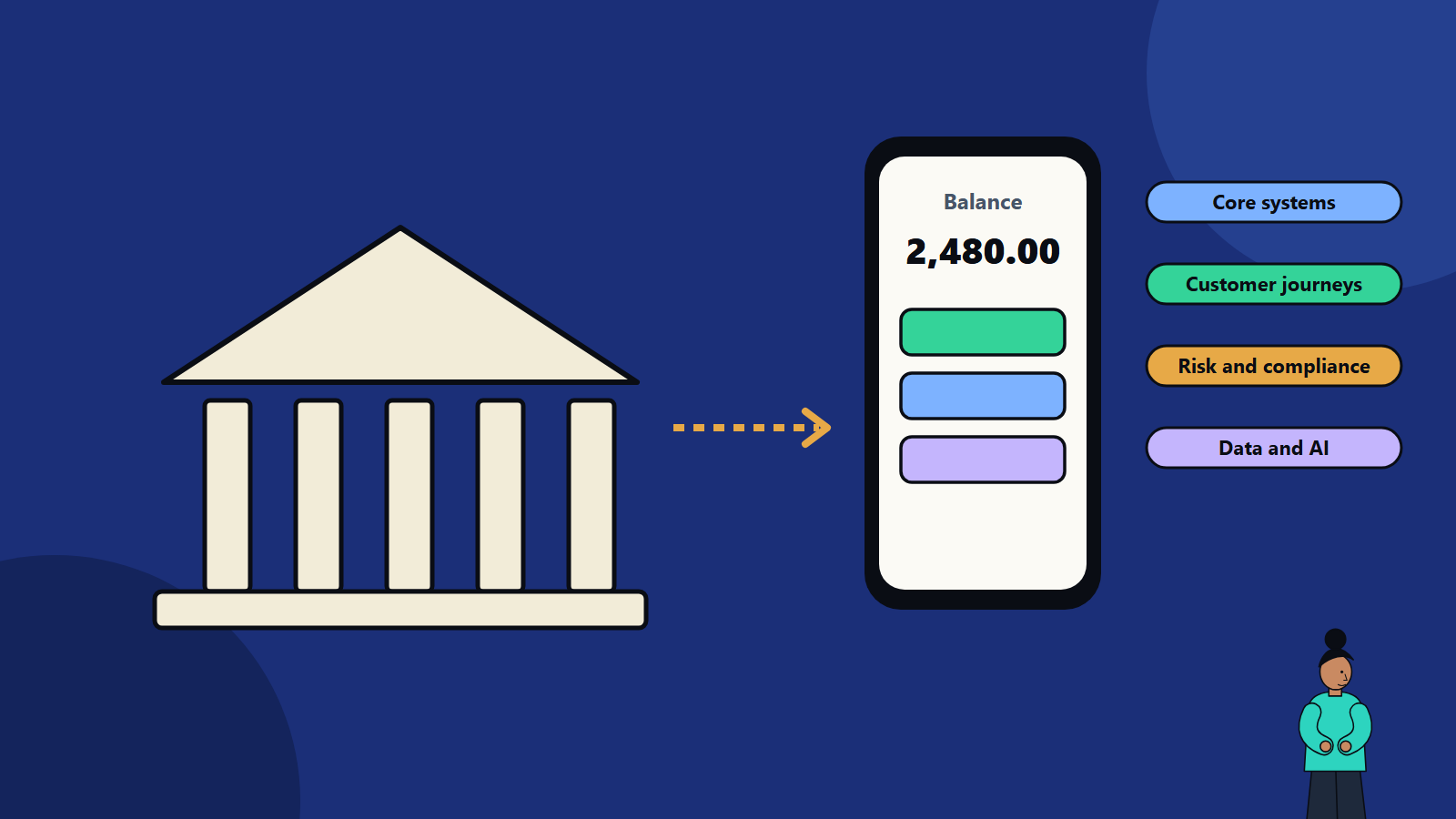
Short on time? Banks and financial firms transform best by fixing customer journeys and core systems together, under strong risk and compliance control. Start with a few high-value journeys, modernise integration and data foundations, build security and resilience in, move in small safe steps and measure customer and cost outcomes. Regulation differs by country, so involve compliance from day one.
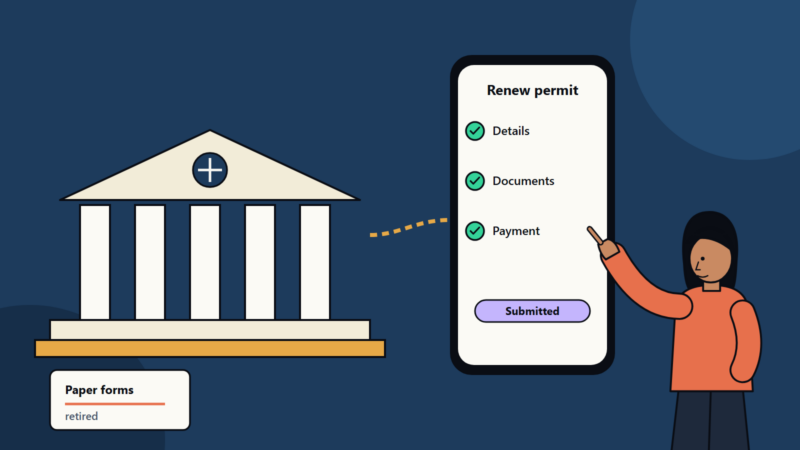
Customers now expect to open an account, move money and fix a problem from a phone, at any hour. Behind the screen, many financial institutions run core systems that are decades old, with rules, products and data spread across them. Closing that gap is the heart of digital transformation in banking.
This guide explains where to start and what to avoid, in plain terms. It suits a credit union with a handful of products, a fintech scaling up and a large bank with a global footprint. It is general information, and regulation varies by country, so take specialist advice for your markets.
Key takeaways
- Start from customer and employee journeys with measurable outcomes.
- Modernise in steps: integration layers, APIs, data foundations and gradual replacement of core pieces.
- Security, resilience, privacy and regulatory duties shape design from the beginning.
- Use data and AI carefully, with governance, explainability and human oversight.
- Plan change management and partner choices as seriously as the technology.
Where pressure comes from
- Customer expectations set by consumer apps in other industries.
- New competitors: fintech firms and large technology companies offering specific services.
- Open banking and similar rules that let customers share data with other providers in many markets.
- Real-time payments that raise expectations for speed.
- Cost pressure from manual processes and legacy platforms.
- Regulation on resilience, security, outsourcing and data.
- Fraud and financial crime, which adapt quickly.
Start with journeys
Pick a small number of journeys where improvement matters to customers and the business:
- Opening an account and verifying identity.
- Applying for and receiving a loan.
- Making payments and transfers.
- Disputing a transaction or reporting fraud.
- Onboarding a business customer.
- Servicing: address changes, card controls and statements.
Map each journey end to end, from the customer’s view and the employee view, with the steps, delays, handoffs and errors. Set measures such as time to complete, drop-off rate, cost per case and satisfaction. Our guide to why digital transformation programmes stall explains why clear outcomes matter.
Modernise core systems in steps
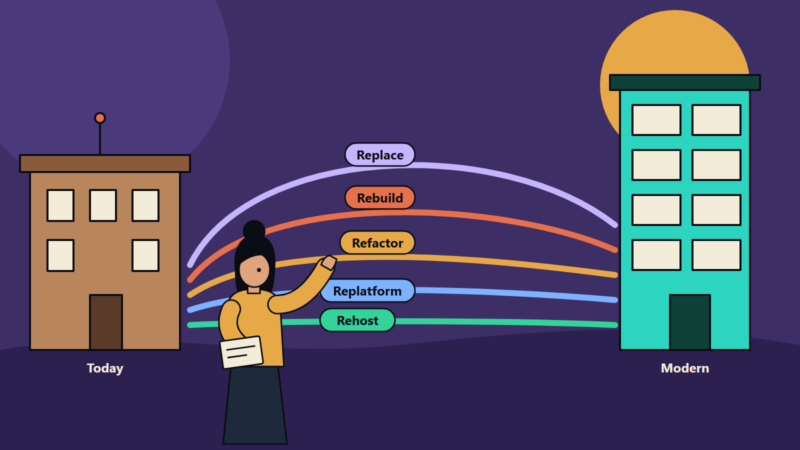
A full replacement of a core banking platform is a large and risky undertaking. Many institutions use gradual routes:
- Wrap and expose: place an API layer in front of legacy systems, so new apps can reach them. See our guide to API-first strategy.
- Integrate sensibly: use proven patterns and avoid one-off connections. See enterprise software integration patterns.
- Compose: assemble replaceable services around the core. See the composable enterprise.
- Strangle gradually: move product by product or function by function to new components, keeping old ones until the new are proven. See legacy application modernization.
- Use cloud selectively: place suitable workloads in the cloud, with attention to regulatory expectations on outsourcing, data location and exit. See cloud migration checklist and data residency and sovereignty.
Data foundations
Good journeys need good data: one view of the customer, consistent definitions and timely access.
- Build a governed data platform with lineage, quality checks and access control. See data lakehouse architecture.
- Agree shared metrics. See self-service analytics or a central BI team.
- Meet privacy duties, including consent, purpose limits and retention.
- Reduce duplicates across systems, and give each data item an owner.
AI and automation
- Customer service: assistants that answer routine questions and hand over to people at the right moment. See customer service automation and enterprise AI chatbots.
- Operations: document processing, reconciliation and case routing.
- Risk and fraud: models that flag unusual behaviour, with analysts reviewing results.
- Personalisation: relevant, fair offers.
- Governance: document purpose, data, testing, monitoring and human oversight, and keep records of decisions. Regulators in many places expect explainability for decisions that affect customers. See AI agent governance and responsible AI policy.
Security, resilience and compliance
Financial services are a prime target and a regulated sector.
- Security: strong identity checks, least privilege and monitoring. See zero trust security and incident response planning.
- Resilience: define critical services and recovery targets, and test them. See high availability design and disaster recovery planning.
- Third parties: know your suppliers and subcontractors, with clear contracts and exit plans. See managed services contracts and vendor management.
- Regulation: requirements differ by country and may cover operational resilience, outsourcing, data protection, payments, anti-money-laundering and consumer protection. Involve compliance and legal teams from the start, and keep evidence.
- Cryptography and future risks: see our guide to post-quantum cryptography.
People and change
- Executive sponsors who own the outcome.
- Product teams that combine business, technology, risk and design.
- Training and clear role changes for branch, contact centre and operations teams.
- Communication with customers about new services and security.
- Incentives that reward adoption and quality.
Measure
- Customer: satisfaction, time to open an account, digital adoption and complaints.
- Operations: cost per transaction, manual effort and error rates.
- Risk: incidents, fraud losses, audit findings and recovery test results.
- Delivery: release frequency and change failure rate. See DORA metrics.
- Financial: benefits against the business case. See technology investment business case.
Common mistakes
- Launching an attractive app on top of unreliable processes.
- Attempting a big-bang core replacement with no fallback.
- Treating compliance as a final review.
- Weak data quality undermining AI projects.
- Ignoring supplier concentration risk.
- Neglecting employee and customer change management.
- No clear benefit tracking.
A starting plan
- Choose two or three journeys, and map them with real data.
- Set outcome measures and a budget.
- Build an API and integration layer for the systems involved.
- Improve the data behind the journeys.
- Deliver in small releases with risk and compliance built in.
- Review results every quarter, and plan the next set.
How SoftSapien supports financial services transformation
SoftSapien’s consultants and engineers map journeys, design integration and data foundations, modernise applications in safe steps and build secure, compliant digital services. See our business transformation and enterprise software integration services.
To plan your transformation, use the contact page to chat with our team, send a message or schedule a free consultation call.
Frequently asked questions
Where should a bank start digital transformation?
With two or three high-value customer journeys, mapped end to end with measures, then the integration and data foundations they need.
Do we have to replace the core banking system?
Not always. Many institutions wrap legacy systems with APIs, compose services around the core and replace pieces gradually.
How does regulation affect transformation?
Rules on resilience, outsourcing, data, payments and consumer protection vary by country. Involve compliance and legal teams from the start.
How should AI be used in financial services?
With governance: documented purpose and data, testing, monitoring, explainability and human oversight for decisions that affect customers.
Can SoftSapien help financial firms transform?
Yes, with journeys, integration and secure delivery. Contact SoftSapien through the contact page to chat with our team, send a message or schedule a free consultation call.